The craft, infrastructure, and history of email and newsletters — read through dated artifacts.

Author: Sandra Olson (page 21 of 25)

The Weird Little Things That Keep Me Sane

Making My Bed Is Actually Revolutionary

Everyone rolls their eyes when someone mentions making their bed as a life-changing habit. I get it. It sounds like something your mom nagged you about or advice from a self-help book written by someone who’s never had a proper mental breakdown at 2 PM on a Tuesday.
The Weird Little Things That Keep Me Sane

But here’s what nobody talks about: making my bed isn’t about productivity or discipline. It’s about creating one small corner of the world that looks exactly how I want it to look. When everything else feels chaotic or out of control, there’s my bed, sitting there like a tiny monument to the fact that I can still do something right.

The whole thing takes maybe ninety seconds. Pull the sheets tight, fluff the pillows, fold the throw blanket just so. It’s not about military corners or Instagram-worthy styling. It’s about starting the day by proving to myself that I can complete something, anything, before the world gets its hands on me.

Coffee Should Never Be Rushed

I have strong opinions about coffee that make me sound insufferable at parties. Not because I’m precious about beans or brewing methods, but because I refuse to drink coffee while doing anything else. No scrolling through emails. No planning my day. No multitasking whatsoever.

This drives people crazy. They watch me sit there, just drinking coffee, and I can see them thinking about all the productive things I could be accomplishing. But those ten minutes of doing absolutely nothing except tasting my coffee are off limits. It’s the only time of day when I’m not trying to optimize or improve or fix anything.

The first sip always tastes slightly different than I remember. Sometimes bitter, sometimes too weak, occasionally perfect. Paying attention to that difference, without judgment or the urge to adjust it, sets the tone for how I’ll handle the unexpected moments that inevitably follow.

Walking the Same Route Every Day

People think routines are boring, but they’re missing the point entirely. I walk the same four-block loop around my neighborhood every evening, and it’s become my favorite part of the day because nothing dramatic ever happens.

The house with the overgrown garden always looks slightly more overgrown. The dog behind the chain-link fence barks at me like we’ve never met, even though we’ve been neighbors for three years. The woman who jogs past at exactly 6:15 PM nods the same polite nod she’s been giving me for months.

What changes isn’t the route but my capacity to notice details I missed before. The way the light hits the Stop sign differently in winter. How the sound of my footsteps changes depending on whether I’m stressed or relaxed. Which neighbors have their lights on and what that tells me about their lives.

It’s meditation disguised as exercise, or maybe exercise disguised as meditation. Either way, it’s twenty minutes when my brain can stop trying to solve problems and just exist in the world without an agenda.

Handwriting Lists on Paper

In a world of apps and digital everything, I still write my to-do lists by hand on whatever piece of paper is closest. Usually the back of an envelope or a receipt from lunch. This makes me look disorganized to people who have color-coded calendar systems, but there’s something irreplaceable about the physical act of writing.

When I cross something off with an actual pen, it feels final in a way that clicking a checkbox never does. The list gets wrinkled, coffee-stained, and completely illegible by the end of the day. I lose these lists constantly. None of this matters.

What matters is the moment when I write each item down, when I have to slow down enough to form the letters and think about what actually needs to happen. Digital lists let me brain-dump without thinking. Paper forces me to be intentional about what makes the cut.

Plus, there’s something deeply satisfying about throwing away a piece of paper covered in crossed-off tasks. It’s a tiny ceremony that marks the end of one day and clears space for the next.

The Five-Minute Kitchen Reset

Every night before bed, I spend exactly five minutes putting my kitchen back to neutral. Not deep cleaning, not reorganizing, just returning everything to its designated spot. Dishes in the dishwasher. Coffee mug ready for morning. Counters wiped down.

This isn’t about cleanliness standards or having people over unexpectedly. It’s about gift-wrapping tomorrow morning for my future self. Walking into a reset kitchen with my eyes still half-closed, reaching for the coffee without having to think about where I left things, feels like a small act of self-care that past-me thoughtfully provided.

The five-minute limit is crucial. Any longer and it becomes a chore I’ll avoid. Any shorter and corners get cut. Five minutes is just enough time to restore order without feeling like I’m spending my evening doing housework.

These habits probably seem trivial to people with bigger problems or more exciting lives. But they’re the scaffolding that holds my days together, the small promises I make to myself that I can actually keep. They’re not revolutionary or life-changing. They’re just mine. And maybe that’s exactly what makes them work.

What weird little habits keep you grounded? I’m always curious about the tiny routines that make people feel more human.


The Conversations That Changed My Tuesday (And Maybe My Life)

The Barista Who Taught Me About Efficiency

Three months ago, I was running late for a meeting and grabbed coffee from this place I’d never been to before. The barista was maybe nineteen, had that efficient energy of someone who’d figured out their system. While making my latte, she mentioned she was studying industrial engineering but loved the coffee job because it let her practice optimization in real time.

The Conversations That Changed My Tuesday (And Maybe My Life)

“Every morning rush is basically a live case study,” she said, steam wand hissing in the background. “I’ve cut average wait time by forty seconds just by rearranging where we keep the lids.” She wasn’t bragging. Just genuinely excited about making things work better.

That conversation stuck because she found purpose in what most people would consider a throwaway job. Now when I catch myself complaining about mundane tasks, I think about her reorganizing lid placement like it mattered. Because to her customers rushing to work, it absolutely did.

If you’re someone who gets energized by small improvements and finding better ways to do things, you’d love talking to people like her. They’re everywhere once you start looking for them.

Illustration for The Conversations That Changed My Tuesday (And Maybe My Life)

The Uber Driver’s Theory on Happiness

Last Tuesday night, my Uber driver was this soft-spoken guy probably in his fifties. We got stuck in traffic, and somehow started talking about why some people seem naturally content while others always seem stressed. His theory was simple: happy people have figured out the difference between problems they can solve and problems they can’t.

“I drive nights because my wife works days and someone needs to be home when our daughter gets back from school,” he explained. “Could I make more money doing something else? Maybe. But I can’t solve the problem of wanting to be a present dad by making more money somewhere else.”

He said it so matter-of-factly, like it was obvious. But it wasn’t obvious to me at all. I’d been spending weeks stressing about things completely outside my control, treating every problem like it needed the same level of mental energy.

This conversation is perfect for anyone who tends to overthink everything or feels overwhelmed by trying to fix things that can’t actually be fixed. Sometimes the wisest advice comes from people who’ve just learned to see clearly.

My Neighbor’s Approach to Difficult People

I was walking my dog when my neighbor mentioned she’d just gotten off a call with her mother-in-law. “That woman could start an argument in an empty room,” she said, but she was smiling when she said it. Not bitter. Actually amused.

I asked how she deals with it, expecting some complex strategy. Instead, she said she just started treating difficult conversations like bad weather. “You don’t take rain personally,” she explained. “You just grab an umbrella and wait for it to pass.”

She told me she used to spend hours after those calls analyzing what she’d said wrong or how she could have handled things better. Now she just acknowledges that some people are stormy by nature, and that’s not actually about her at all.

This reframe is especially useful if you’re someone who takes other people’s moods too personally or spends too much mental energy trying to fix relationships with people who aren’t interested in being fixed. Sometimes the best strategy really is just weatherproofing yourself.

The Bookstore Owner’s Rule About Recommendations

I was browsing this independent bookstore downtown when the owner struck up a conversation about what I was looking for. Instead of pushing whatever was on the bestseller table, she asked three specific questions: What was the last book that made me lose track of time? What do I do when I’m not reading? And what’s one thing I’m curious about but have never really explored?

Then she walked me to a section I’d never noticed and pulled out this book about the history of everyday objects. “You mentioned you like noticing details other people miss,” she said. “This author does exactly that, but with things like forks and doorknobs.”

She was completely right. I devoured that book. But what stuck with me wasn’t just the great recommendation. It was her approach. She didn’t assume she knew what I needed based on demographics or obvious preferences. She listened for the specific thing that makes someone’s brain light up.

If you’re someone who loves giving recommendations but sometimes feels like they fall flat, try her method. Ask about curiosity, not just preferences. The best recommendations aren’t about what someone usually likes. They’re about what they didn’t know they wanted to explore.

Why These Conversations Matter

None of these people were trying to be profound. They were just sharing how they see things, usually while doing something completely ordinary. But each conversation gave me a new lens for looking at situations I encounter all the time.

The thing about casual conversations is that people often share their most practical wisdom when they’re not trying to be wise. No one’s performing or trying to impress anyone. They’re just explaining how they’ve learned to navigate their particular corner of the world.

I’ve started paying more attention to these moments. Not in a weird, intense way. Just noticing when someone mentions an approach that works for them, especially if it’s different from how I’d handle the same situation. Most of the time, nothing comes of it. But occasionally, someone drops a perspective that shifts how I think about things for months.

What conversations have stuck with you lately? The kind where someone casually mentioned something that made you think “huh, I never considered that”? I’d love to hear about them if you feel like sharing.

The Productivity Revolution You Actually Want to Join

Why Everyone’s Done With the Hustle

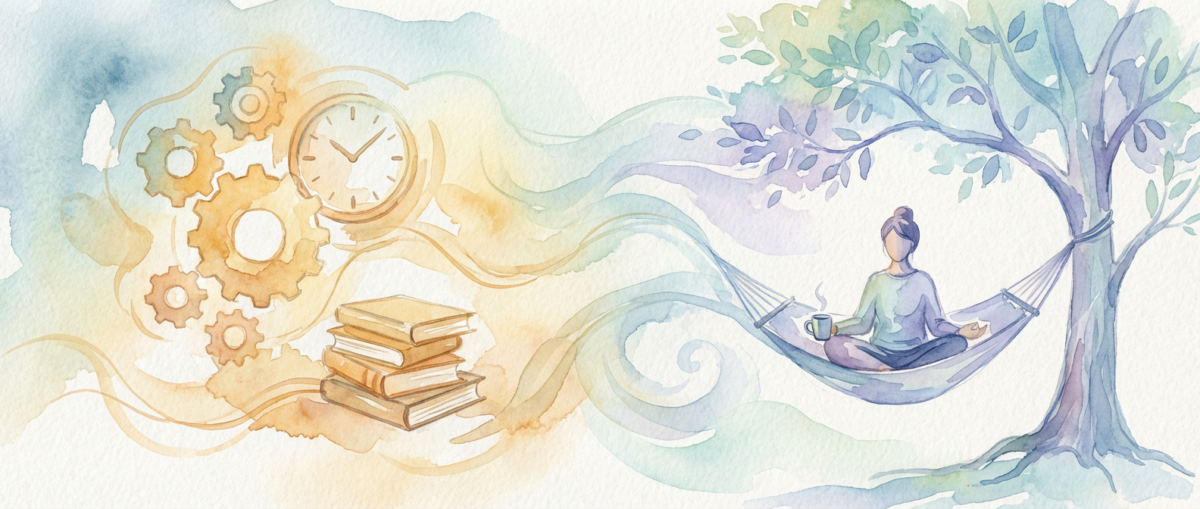
Remember when “quiet quitting” exploded across social media in 2022? Four years later, that phrase still dominates workplace discussions because it captured something real. People aren’t lazy. They’re exhausted from a culture that treats busyness as a virtue and rest as weakness.

The Productivity Revolution You Actually Want to Join

The World Health Organization officially recognized burnout as an occupational phenomenon back in 2019. That wasn’t some abstract academic decision. It was acknowledgment of a global crisis hiding in plain sight. Millions of workers were running on empty, pretending productivity meant saying yes to everything.

Now we’re seeing the counter-movement. This isn’t anti-work, it’s anti-hustle. The difference matters. People aren’t trying to do less work. They want to do better work.

Illustration for The Productivity Revolution You Actually Want to Join

The Four-Day Week Isn’t Fantasy Anymore

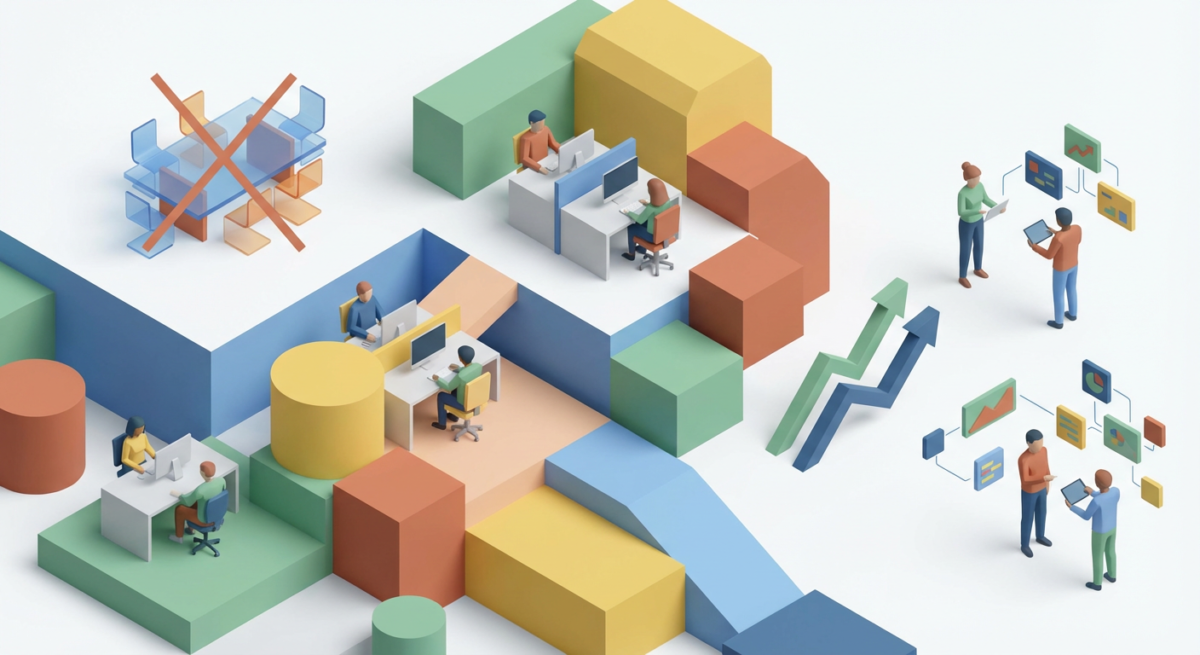
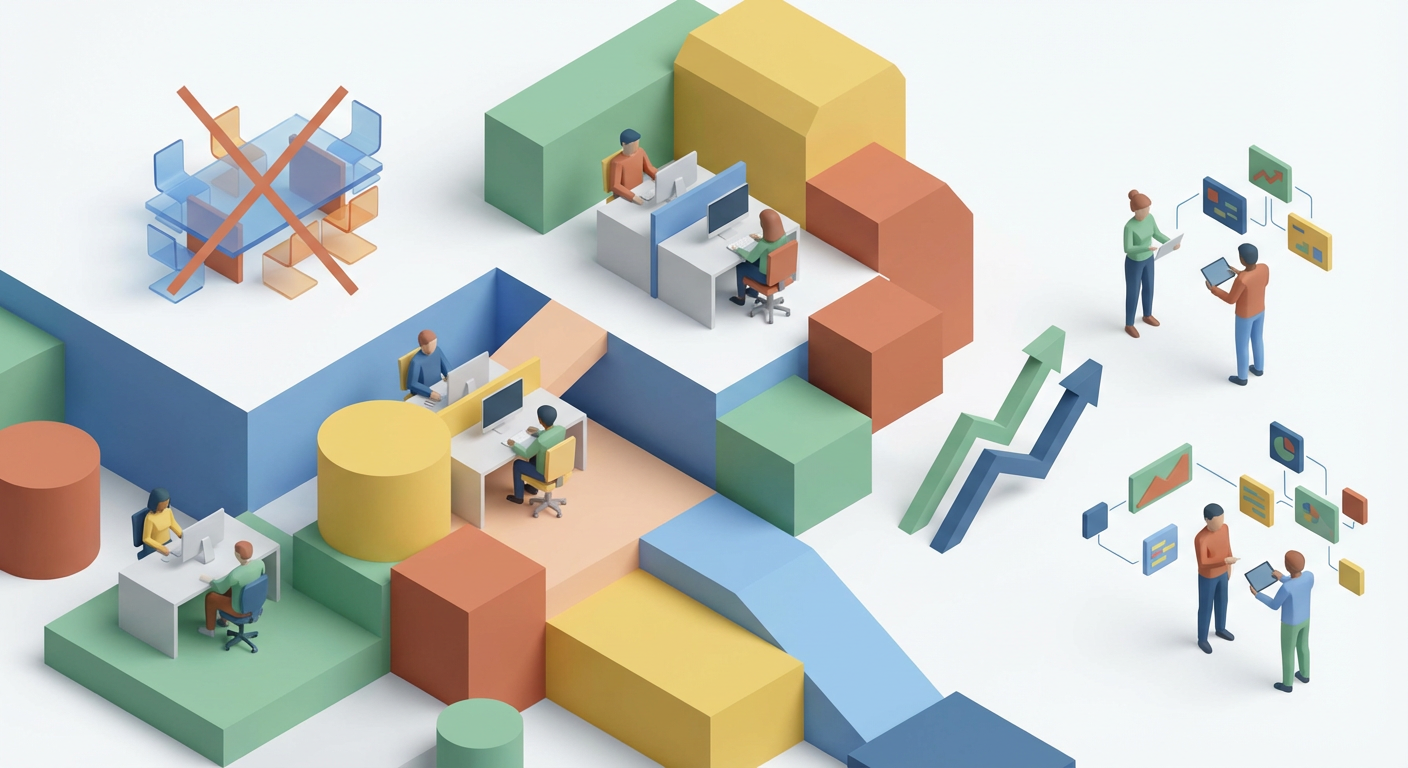
Over sixty companies have run serious four-day work week trials. The results? Productivity stays the same or actually improves. Revenue doesn’t tank. The world doesn’t end when people work thirty-two hours instead of forty.

These aren’t feel-good experiments at tech startups. We’re talking manufacturing companies, healthcare providers, and government agencies. Real businesses with real deadlines proving that time spent doesn’t equal value created.

The secret isn’t magical. When you have less time, you get ruthless about what matters. Meetings get shorter or disappear entirely. Busywork gets eliminated. Focus becomes your superpower because it has to be.

Tools That Actually Make You Think Better

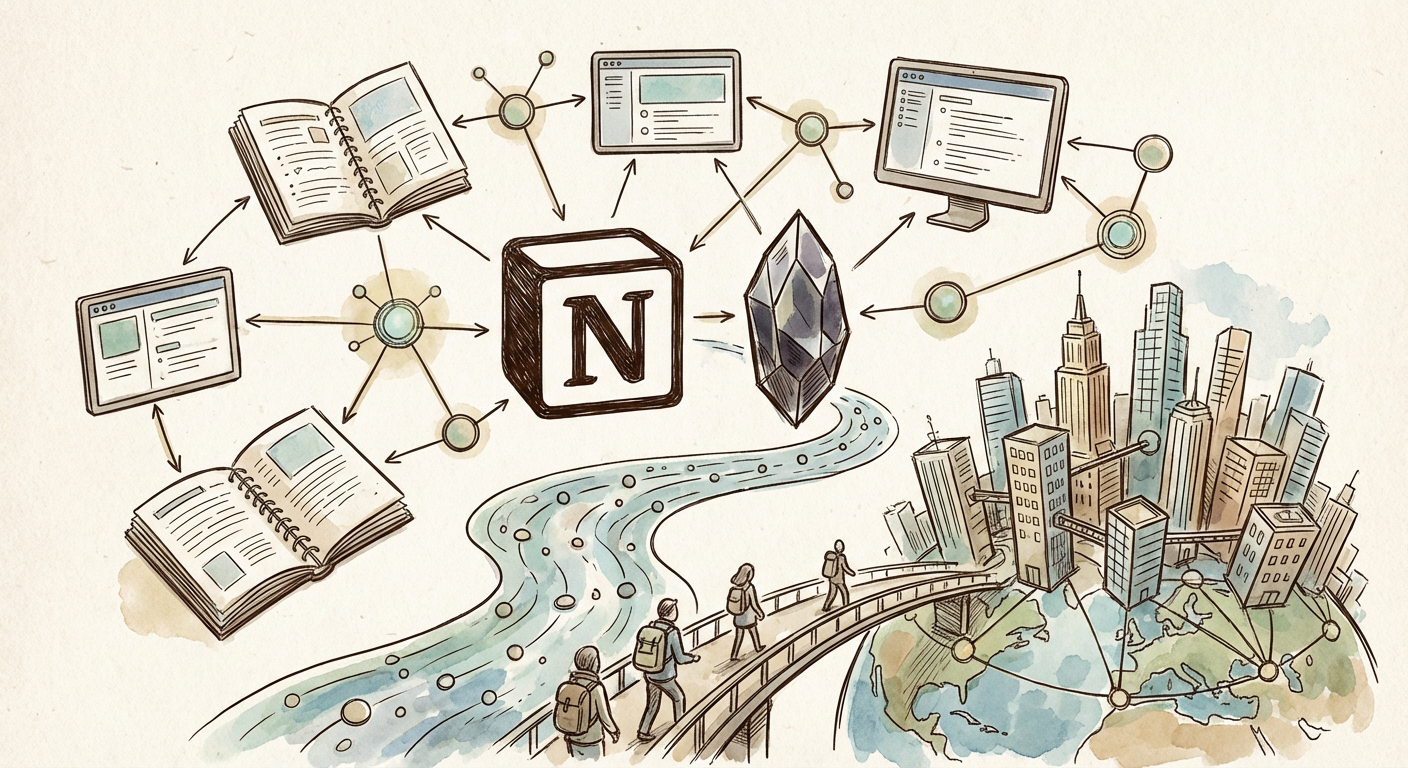
While everyone else chases productivity hacks, millions of people have quietly discovered personal knowledge management tools like Obsidian and Notion. These aren’t just fancy note-taking apps. They’re thinking systems.

Here’s what makes them different. Instead of collecting information in separate files, you build connections between ideas. Your thoughts become a network instead of a filing cabinet. That project from last year suddenly connects to this week’s problem in ways you never noticed.

Companies like Basecamp have taken this philosophy company-wide. They’ve built an anti-meeting culture that prioritizes written communication and deep work over constant collaboration theater. Their approach influences how remote teams worldwide structure their days. No more calendar Tetris. No more meeting fatigue. Just space to actually think.

The Cal Newport productivity writing and Paul Graham essays have been quietly shaping this movement for years. They argue for depth over breadth, focus over multitasking, and quality over quantity. Their ideas are finally going mainstream because the alternatives have proven unsustainable.

The Digital Detox Generation

Dopamine detoxing and digital minimalism aren’t just trendy hashtags anymore. They’re genuine movements responding to attention capitalism. People are recognizing that constant connectivity isn’t making them more productive. It’s making them more anxious.

This isn’t about going off-grid or abandoning technology. It’s about being intentional with your attention. You choose when to engage instead of letting algorithms choose for you. You batch notifications instead of living in reactive mode.

The people I know who practice this aren’t productivity zealots. They’re regular folks who got tired of feeling scattered and overwhelmed. They wanted their thoughts back. They wanted to finish projects that mattered instead of constantly switching between shallow tasks.

Who This Revolution Is Really For

This movement isn’t for everyone, and that’s okay. If you love the hustle, if chaos energizes you, if you thrive on constant stimulation, then keep doing what works. But if you’ve been feeling like productivity culture has been selling you solutions to problems it created, this might be your moment.

It’s for people who want to do meaningful work without sacrificing their mental health. It’s for parents who need systems that actually fit around family life. It’s for anyone who’s realized that being busy isn’t the same as being effective.

The anti-hustle productivity revolution gives you permission to work differently. To focus on outcomes instead of hours logged. To build systems that support your actual life instead of some idealized version of peak performance.

Start small. Pick one meeting this week that could be an email instead. Try batching your notifications for specific times of day. See what happens when you give yourself permission to work the way your brain actually functions best. Change begins with your next intentional choice.

I Was Wrong About Productivity (And That’s Okay)

The Hustle Trap I Fell Into

For years, I bought into the productivity gospel. My browser bookmarks overflowed with optimization hacks. I tracked every minute, automated every task, and genuinely believed that peak efficiency would unlock some mythical version of myself. I was wrong.

The breaking point came when I realized I was spending more time managing my productivity system than actually producing anything meaningful. My elaborate task management setup had become a sophisticated form of procrastination. Worse, the constant optimization was making me miserable.

This wasn’t just my personal failure. The entire hustle culture movement had promised us that working harder and smarter would lead to fulfillment. Instead, it delivered burnout on an industrial scale. The World Health Organization officially recognized burnout as an occupational phenomenon in 2019, validating what millions of workers already knew in their bones.

The Quiet Revolution

Something shifted around 2022. The term “quiet quitting” emerged to describe employees doing exactly what they were paid to do, nothing more. While critics dismissed it as laziness, I saw something deeper. People were rejecting the idea that work should consume their entire identity.

This wasn’t about giving up or checking out. It was about boundaries. The phrase continues to resonate in workplace conversations today because it captures a fundamental truth: sustainable productivity requires saying no to the endless demands for more.

The data started backing up what many of us felt intuitively. Over sixty companies have now trialed four-day work weeks, with results showing productivity remains neutral or actually improves. When people work fewer hours, they work better hours. Revolutionary? Hardly. Common sense? Absolutely.

Companies like Basecamp began questioning meeting culture altogether, promoting deep work over constant collaboration. Their approach influenced countless organizations to examine whether their communication habits actually worked or just created the illusion of productivity.

Tools That Actually Help

Here’s where I had to admit another mistake. I’d dismissed personal knowledge management as nerdy excess, but tools like Obsidian and Notion are now reaching millions of users. These aren’t productivity porn apps. They’re thinking tools.

The difference matters. Traditional productivity apps focus on task completion and time management. Knowledge management tools focus on understanding and connection. They help you think better, not just faster. This shift from efficiency to effectiveness represents a fundamental change in how we approach work.

Reading Paul Graham essays helped me understand why this distinction matters. Graham writes about the difference between real work and fake work. Real work creates value. Fake work creates the appearance of productivity while accomplishing nothing meaningful.

The best productivity writing today acknowledges this complexity. Cal Newport productivity writing emphasizes deep work and digital minimalism over quick hacks and optimization tricks. This approach recognizes that sustainable productivity requires protecting your attention, not fragmenting it further.

The Digital Detox Counter-Culture

Another trend I initially misunderstood was the growing movement toward dopamine detoxes and digital minimalism. I thought these were extreme reactions from people who couldn’t handle modern technology. I was missing the point entirely.

These movements aren’t anti-technology. They’re pro-intentionality. Practitioners aren’t rejecting digital tools wholesale. They’re questioning which tools work for their goals and which ones work for the tools’ creators. That’s a crucial distinction.

The dopamine detox crowd understands something important about human psychology. Our brains weren’t designed for the constant stimulation that modern technology provides. Taking breaks from this stimulation isn’t weakness. It’s maintenance.

Digital minimalism takes this further by advocating for conscious technology choices. Instead of adopting every new app or platform, practitioners carefully evaluate whether each tool adds genuine value to their lives. This approach has gained traction because it offers a middle path between total rejection and uncritical acceptance of technology.

What Actually Works

So what does sustainable productivity look like? After years of experimentation and several course corrections, I’ve learned that it’s surprisingly simple. It starts with protecting your attention and energy rather than optimizing every moment.

The most productive people I know aren’t the ones with the most sophisticated systems. They’re the ones who’ve gotten ruthlessly clear about what matters and equally ruthless about protecting time for those priorities. They say no more often than they say yes.

This means accepting that productivity isn’t about doing everything efficiently. It’s about doing the right things well and letting everything else go. That’s a harder lesson than any time management hack, but it’s also more liberating.

The anti-hustle movement isn’t about giving up on achievement or ambition. It’s about pursuing both more thoughtfully. When we stop trying to optimize every moment, we create space for the kind of deep work that actually moves our lives forward. When we reject the idea that busy equals important, we can focus on what’s genuinely important.

I’m sharing this change in thinking because admitting we were wrong about something doesn’t make us failures. It makes us learners. If you’ve been struggling with productivity systems that feel more like punishment than progress, you’re not broken. The systems might be. What changes in thinking about work and productivity have you experienced? I’d love to hear how your relationship with these ideas has evolved.

Why I’m Done With Productivity Theater (And What Actually Works)

The Hustle Hangover Hit Different

I used to wake up at 5 AM to journal, meditate, work out, and meal prep before my actual job started. I tracked everything in color-coded spreadsheets. I optimization-hacked my way through life like a human efficiency machine.

Why I'm Done With Productivity Theater (And What Actually Works)
Why I’m Done With Productivity Theater (And What Actually Works)

Then 2022 happened. The phrase “quiet quitting” exploded everywhere, and suddenly everyone was talking about doing the bare minimum. At first, I dismissed it as workplace laziness. I was completely wrong.

The anti-hustle backlash isn’t about being lazy. It’s about recognizing that productivity theater often sabotages actual productivity. We’ve been confusing being busy with being effective, and our mental health has paid the price.

When Less Actually Became More

The data started piling up in ways I couldn’t ignore. Over sixty companies have now tested four-day work weeks, and the results consistently show either neutral or positive productivity outcomes. Workers get the same amount done in less time because they’re not dragging themselves through Thursday afternoon brain fog.

Meanwhile, companies like Basecamp have built entire cultures around meeting minimalism and deep work protection. Their approach defaults to asynchronous communication and treats meetings as last resorts. This has influenced thousands of other organizations. The results speak for themselves: higher output, less burnout, better retention.

I had to face an uncomfortable truth. My elaborate morning routines and productivity systems weren’t making me more productive. They were making me more anxious about productivity. There’s a difference, and it stung to realize it.

The Tools That Actually Stick

Here’s what completely shifted my thinking: watching millions of people gravitate toward personal knowledge management tools like Obsidian and Notion. These aren’t traditional productivity apps promising to optimize your time. They’re thinking tools that help you organize and connect ideas over years, not hours.

The appeal makes perfect sense now. Instead of trying to squeeze more tasks into each day, people want to build better thinking systems that compound over time. Paul Graham essays have been making this point for years: the most valuable work happens when you can think clearly and connect disparate ideas, not when you can check off more boxes.

I started using Obsidian not to track daily habits, but to capture and link interesting thoughts. The difference was immediate. My writing improved. My problem-solving got sharper. I wasn’t busier, but I was more thoughtful.

The World Health Organization officially recognized burnout as an occupational phenomenon back in 2019. We’ve known for years that grinding harder isn’t sustainable, yet we keep pretending it is. The tools that work long-term support thinking, not rushing.

Digital Minimalism as Rebellion

The dopamine detox movement initially struck me as extreme. People deleting social media apps, using flip phones, creating elaborate digital fasting rituals. I thought they were overreacting to normal technology use.

But the movement keeps growing because it addresses something real. Our attention has become a battleground, and most productivity advice assumes we can simply willpower our way through infinite distractions. That’s not how human psychology works, and pretending otherwise is exhausting.

Cal Newport productivity writing nails this point: the most productive people aren’t the ones with the most sophisticated task management systems. They’re the ones who’ve created environments where deep work can actually happen.

I started small. Phone in airplane mode for the first hour after waking. No notifications during focused work blocks. The immediate relief was startling. I hadn’t realized how much mental energy I was spending managing digital noise until I stopped.

What Actually Works Now

My current approach looks nothing like my 2019 productivity setup. I have three priorities each day, maximum. I protect long blocks of time for thinking and creating. I say no to most meetings and yes to most walks.

The “quiet quitting” conversation from 2022 still influences workplace discussions today because it named something important: the difference between showing up fully for meaningful work and performing productivity for its own sake. That distinction matters more than any morning routine ever will.

I track almost nothing now, but I accomplish more of what matters. I read more books but consume fewer articles. I have fewer goals but make more progress on them. The anti-hustle approach isn’t about doing less work. It’s about doing less work that doesn’t matter.

The productivity industrial complex wants you to believe that the right system will solve your focus problems. But most focus problems are actually priority problems, and most priority problems are actually boundary problems. Fix those first, and the rest becomes much simpler than any guru wants you to believe.

I’m curious about your experience with this shift. Have you noticed the tension between productivity optimization and actual effectiveness in your own work? What’s one productivity habit you’ve abandoned that actually improved your results?