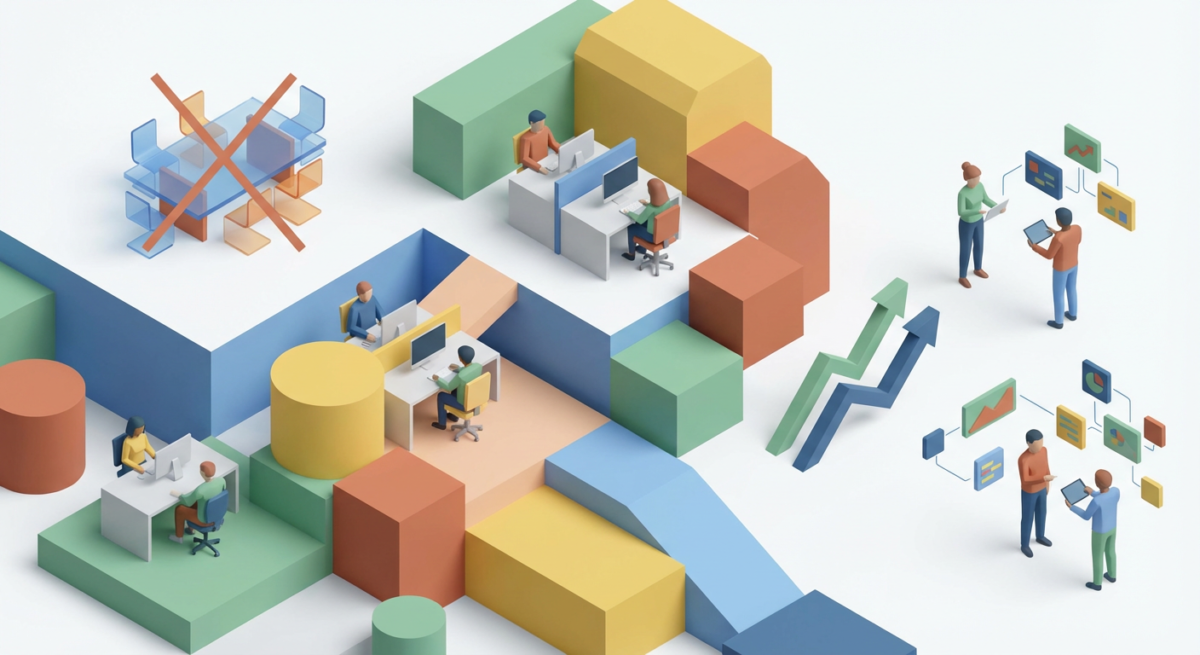
The Hustle Hangover Hit Different
I used to wake up at 5 AM to journal, meditate, work out, and meal prep before my actual job started. I tracked everything in color-coded spreadsheets. I optimization-hacked my way through life like a human efficiency machine.
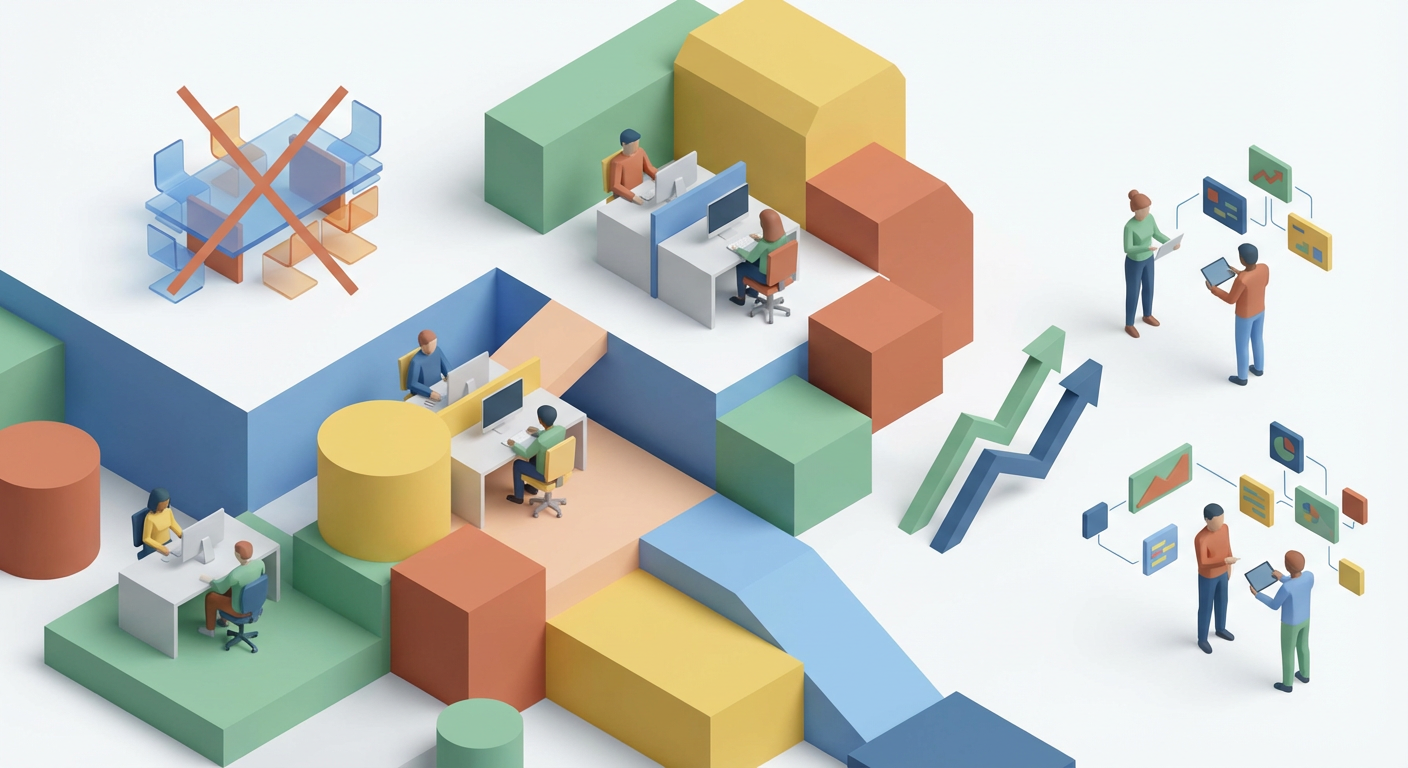
Then 2022 happened. The phrase “quiet quitting” exploded everywhere, and suddenly everyone was talking about doing the bare minimum. At first, I dismissed it as workplace laziness. I was completely wrong.
The anti-hustle backlash isn’t about being lazy. It’s about recognizing that productivity theater often sabotages actual productivity. We’ve been confusing being busy with being effective, and our mental health has paid the price.
When Less Actually Became More
The data started piling up in ways I couldn’t ignore. Over sixty companies have now tested four-day work weeks, and the results consistently show either neutral or positive productivity outcomes. Workers get the same amount done in less time because they’re not dragging themselves through Thursday afternoon brain fog.
Meanwhile, companies like Basecamp have built entire cultures around meeting minimalism and deep work protection. Their approach defaults to asynchronous communication and treats meetings as last resorts. This has influenced thousands of other organizations. The results speak for themselves: higher output, less burnout, better retention.
I had to face an uncomfortable truth. My elaborate morning routines and productivity systems weren’t making me more productive. They were making me more anxious about productivity. There’s a difference, and it stung to realize it.
The Tools That Actually Stick
Here’s what completely shifted my thinking: watching millions of people gravitate toward personal knowledge management tools like Obsidian and Notion. These aren’t traditional productivity apps promising to optimize your time. They’re thinking tools that help you organize and connect ideas over years, not hours.
The appeal makes perfect sense now. Instead of trying to squeeze more tasks into each day, people want to build better thinking systems that compound over time. Paul Graham essays have been making this point for years: the most valuable work happens when you can think clearly and connect disparate ideas, not when you can check off more boxes.
I started using Obsidian not to track daily habits, but to capture and link interesting thoughts. The difference was immediate. My writing improved. My problem-solving got sharper. I wasn’t busier, but I was more thoughtful.
The World Health Organization officially recognized burnout as an occupational phenomenon back in 2019. We’ve known for years that grinding harder isn’t sustainable, yet we keep pretending it is. The tools that work long-term support thinking, not rushing.
Digital Minimalism as Rebellion
The dopamine detox movement initially struck me as extreme. People deleting social media apps, using flip phones, creating elaborate digital fasting rituals. I thought they were overreacting to normal technology use.
But the movement keeps growing because it addresses something real. Our attention has become a battleground, and most productivity advice assumes we can simply willpower our way through infinite distractions. That’s not how human psychology works, and pretending otherwise is exhausting.
Cal Newport productivity writing nails this point: the most productive people aren’t the ones with the most sophisticated task management systems. They’re the ones who’ve created environments where deep work can actually happen.
I started small. Phone in airplane mode for the first hour after waking. No notifications during focused work blocks. The immediate relief was startling. I hadn’t realized how much mental energy I was spending managing digital noise until I stopped.
What Actually Works Now
My current approach looks nothing like my 2019 productivity setup. I have three priorities each day, maximum. I protect long blocks of time for thinking and creating. I say no to most meetings and yes to most walks.
The “quiet quitting” conversation from 2022 still influences workplace discussions today because it named something important: the difference between showing up fully for meaningful work and performing productivity for its own sake. That distinction matters more than any morning routine ever will.
I track almost nothing now, but I accomplish more of what matters. I read more books but consume fewer articles. I have fewer goals but make more progress on them. The anti-hustle approach isn’t about doing less work. It’s about doing less work that doesn’t matter.
The productivity industrial complex wants you to believe that the right system will solve your focus problems. But most focus problems are actually priority problems, and most priority problems are actually boundary problems. Fix those first, and the rest becomes much simpler than any guru wants you to believe.
I’m curious about your experience with this shift. Have you noticed the tension between productivity optimization and actual effectiveness in your own work? What’s one productivity habit you’ve abandoned that actually improved your results?
