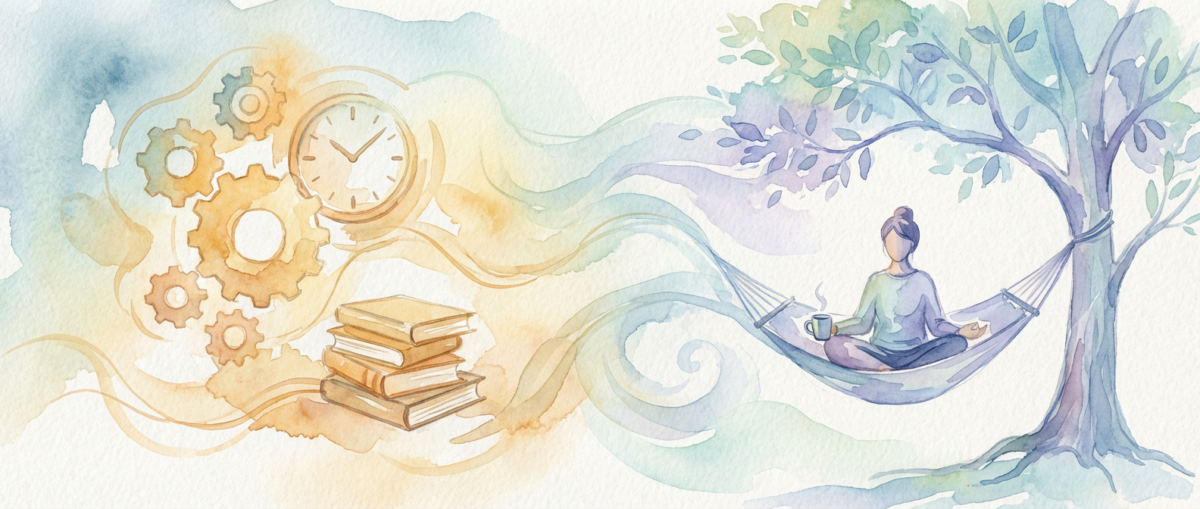
Why Everyone’s Done With the Hustle
Remember when “quiet quitting” exploded across social media in 2022? Four years later, that phrase still dominates workplace discussions because it captured something real. People aren’t lazy. They’re exhausted from a culture that treats busyness as a virtue and rest as weakness.

The World Health Organization officially recognized burnout as an occupational phenomenon back in 2019. That wasn’t some abstract academic decision. It was acknowledgment of a global crisis hiding in plain sight. Millions of workers were running on empty, pretending productivity meant saying yes to everything.
Now we’re seeing the counter-movement. This isn’t anti-work, it’s anti-hustle. The difference matters. People aren’t trying to do less work. They want to do better work.
The Four-Day Week Isn’t Fantasy Anymore
Over sixty companies have run serious four-day work week trials. The results? Productivity stays the same or actually improves. Revenue doesn’t tank. The world doesn’t end when people work thirty-two hours instead of forty.
These aren’t feel-good experiments at tech startups. We’re talking manufacturing companies, healthcare providers, and government agencies. Real businesses with real deadlines proving that time spent doesn’t equal value created.
The secret isn’t magical. When you have less time, you get ruthless about what matters. Meetings get shorter or disappear entirely. Busywork gets eliminated. Focus becomes your superpower because it has to be.
Tools That Actually Make You Think Better
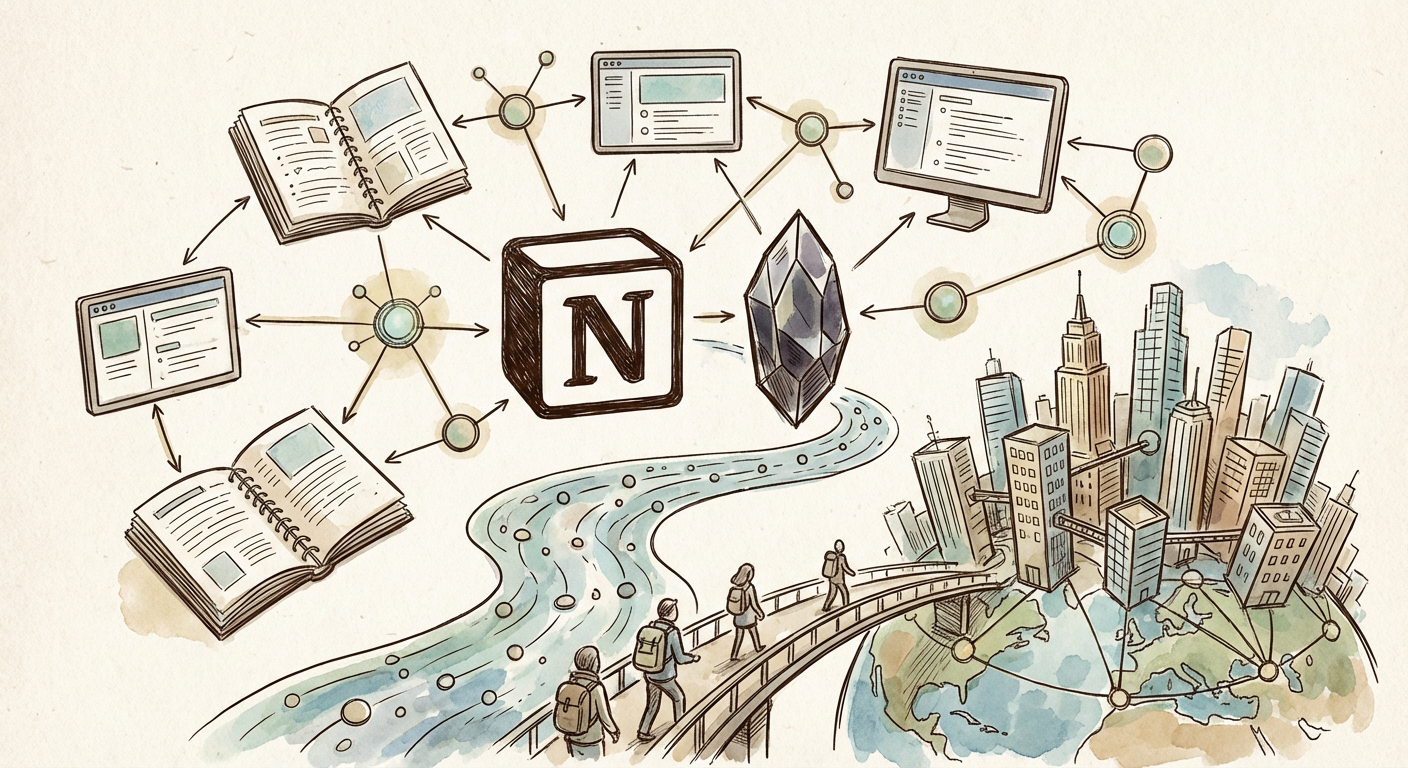
While everyone else chases productivity hacks, millions of people have quietly discovered personal knowledge management tools like Obsidian and Notion. These aren’t just fancy note-taking apps. They’re thinking systems.
Here’s what makes them different. Instead of collecting information in separate files, you build connections between ideas. Your thoughts become a network instead of a filing cabinet. That project from last year suddenly connects to this week’s problem in ways you never noticed.
Companies like Basecamp have taken this philosophy company-wide. They’ve built an anti-meeting culture that prioritizes written communication and deep work over constant collaboration theater. Their approach influences how remote teams worldwide structure their days. No more calendar Tetris. No more meeting fatigue. Just space to actually think.
The Cal Newport productivity writing and Paul Graham essays have been quietly shaping this movement for years. They argue for depth over breadth, focus over multitasking, and quality over quantity. Their ideas are finally going mainstream because the alternatives have proven unsustainable.
The Digital Detox Generation
Dopamine detoxing and digital minimalism aren’t just trendy hashtags anymore. They’re genuine movements responding to attention capitalism. People are recognizing that constant connectivity isn’t making them more productive. It’s making them more anxious.
This isn’t about going off-grid or abandoning technology. It’s about being intentional with your attention. You choose when to engage instead of letting algorithms choose for you. You batch notifications instead of living in reactive mode.
The people I know who practice this aren’t productivity zealots. They’re regular folks who got tired of feeling scattered and overwhelmed. They wanted their thoughts back. They wanted to finish projects that mattered instead of constantly switching between shallow tasks.
Who This Revolution Is Really For
This movement isn’t for everyone, and that’s okay. If you love the hustle, if chaos energizes you, if you thrive on constant stimulation, then keep doing what works. But if you’ve been feeling like productivity culture has been selling you solutions to problems it created, this might be your moment.
It’s for people who want to do meaningful work without sacrificing their mental health. It’s for parents who need systems that actually fit around family life. It’s for anyone who’s realized that being busy isn’t the same as being effective.
The anti-hustle productivity revolution gives you permission to work differently. To focus on outcomes instead of hours logged. To build systems that support your actual life instead of some idealized version of peak performance.
Start small. Pick one meeting this week that could be an email instead. Try batching your notifications for specific times of day. See what happens when you give yourself permission to work the way your brain actually functions best. Change begins with your next intentional choice.
