The Text That Started It All
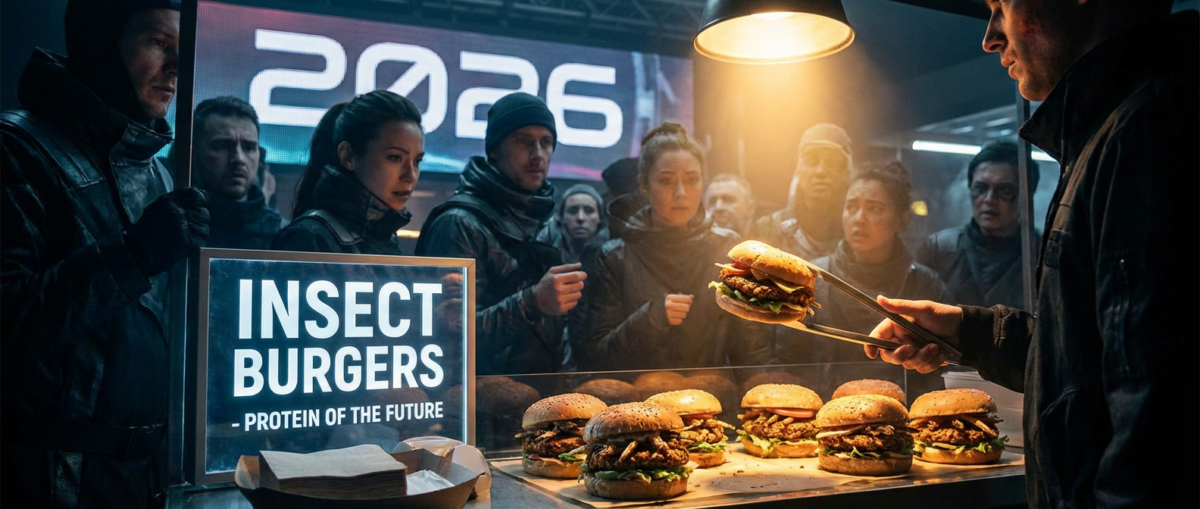
My neighbor Sarah texted me at 7:43 AM last Tuesday: “Just ate a cricket burger for breakfast and it was actually good???” Three question marks. That’s how you know someone’s worldview just shifted. I screenshotted it because something about that moment felt worth preserving. Not because cricket burgers are inherently fascinating, but because I’d been watching this slow-motion cultural flip happen for months, and Sarah’s text was the first time I saw it click for someone in real time.
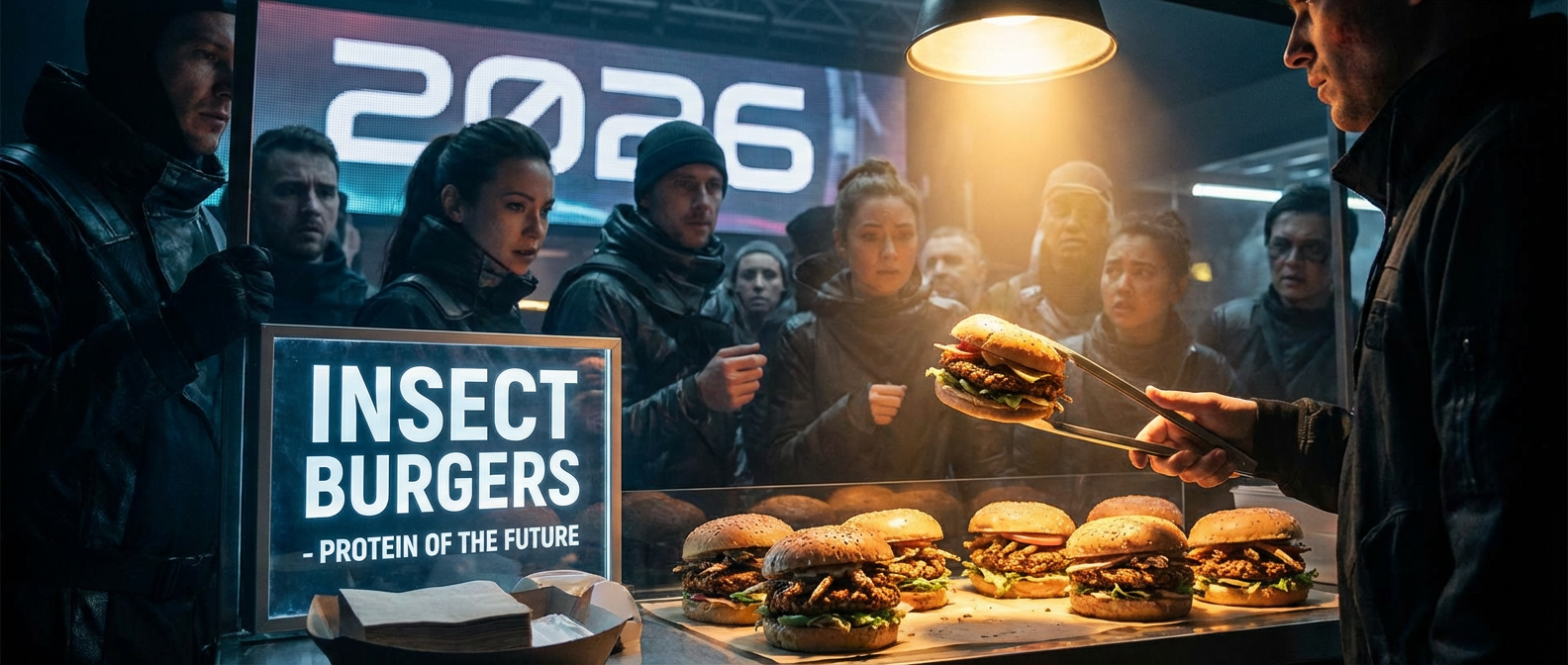
She’s not an early adopter. Sarah still calls everything “the wifi” and buys the same brand of cereal she’s eaten since college. But there she was, voluntarily eating insects before 8 AM on a weekday. Which got me thinking: how exactly did we get here? When did bug protein stop being a survivalist party trick and start being something normal people queue up for at Whole Foods?

Following the Money Trail (Because It Always Tells the Story)
The numbers paint a clearer picture than any marketing campaign could. Cricket farming got stupid cheap stupid fast. We’re talking about a 78% price drop in one year after those massive automated facilities opened in Texas and Ohio. Suddenly cricket protein wasn’t just environmentally virtuous, it was economically obvious. Cheaper than beef per gram of protein. When your wallet and your conscience point in the same direction, that’s when markets really move.
Then the Whole Foods cricket protein launch happened in March. Fifty thousand bags of cricket flour sold in week one. I remember standing in the baking aisle watching a woman in yoga pants casually toss a bag into her cart next to the almond flour and coconut oil. No hesitation. No dramatic moment of food revolution. Just Tuesday grocery shopping that happened to include insects.
The FDA approval for lab-grown cricket meat in February was the real catalyst though. Suddenly venture capital firms were throwing money at insect protein startups like it was 2021 crypto all over again. Four hundred percent increase in funding according to PitchBook. That’s not gradual adoption. That’s a stampede.
The David Chang Factor
You can track cultural shifts through what celebrity chefs are doing, and David Chang’s ‘Swarm’ restaurants tell you everything you need to know about where this is heading. Sold out for six months straight. Now they’re planning 100 locations. When a chef who built his reputation on elevating humble foods decides insects are worth his time, that’s not a gimmick. That’s market validation.
I tried to get into the downtown Swarm location three weeks ago. The hostess laughed. Not a mean laugh, just the laugh you give someone who clearly doesn’t understand how reservations work in 2026. “We’re booking into October,” she said. October. For bug food. The waiting list for eating insects is longer than most restaurant lifespans.
What’s interesting is how Chang’s approach stripped away the novelty factor. No dramatic presentation, no “guess what you just ate” reveals. Just really good food that happens to be made with cricket protein. The normalization happened through excellence, not explanation.
The Climate Math That Actually Matters
Here’s where the environmental angle gets real instead of theoretical. The UN insect farming sustainability report dropped some numbers that are hard to argue with: 97% fewer greenhouse gases than traditional livestock for equivalent protein. Not 10% better. Not 50% better. Ninety-seven percent.
That’s the kind of improvement that makes people pay attention even if they’re not particularly green-minded. When the environmental choice also happens to be the economical choice and increasingly the delicious choice, you’re not asking people to sacrifice anymore. You’re just asking them to try something new.
The shift feels different this time because it’s not being driven by guilt or shoulds. It’s being driven by actual advantages that stack up: cheaper, better for the planet, and if David Chang is right, tastier too. That’s how lasting change happens. Not through moral arguments, but through better options.
What I’m Watching For Next
I’m keeping an eye on my local grocery store. Not the fancy one, the regular one where my mom shops. When cricket flour shows up there, between the regular flour and the baking soda, with no special signage or explanatory text, that’s when we’ll know this stopped being a trend and became just another ingredient.
Sarah’s making cricket tacos this weekend. She invited me over to try them. “I got the recipe from my sister-in-law,” she said. Not from a food blog or a sustainability website. From her sister-in-law. That’s how you know something’s crossed over from novelty to normal. When recipes start traveling through family networks instead of influencer channels.
I’m curious what you’re seeing in your corner of the world. Are the cricket burgers showing up where you live yet? And more importantly, are people talking about them like they’re weird, or like they’re just another Tuesday lunch option?
