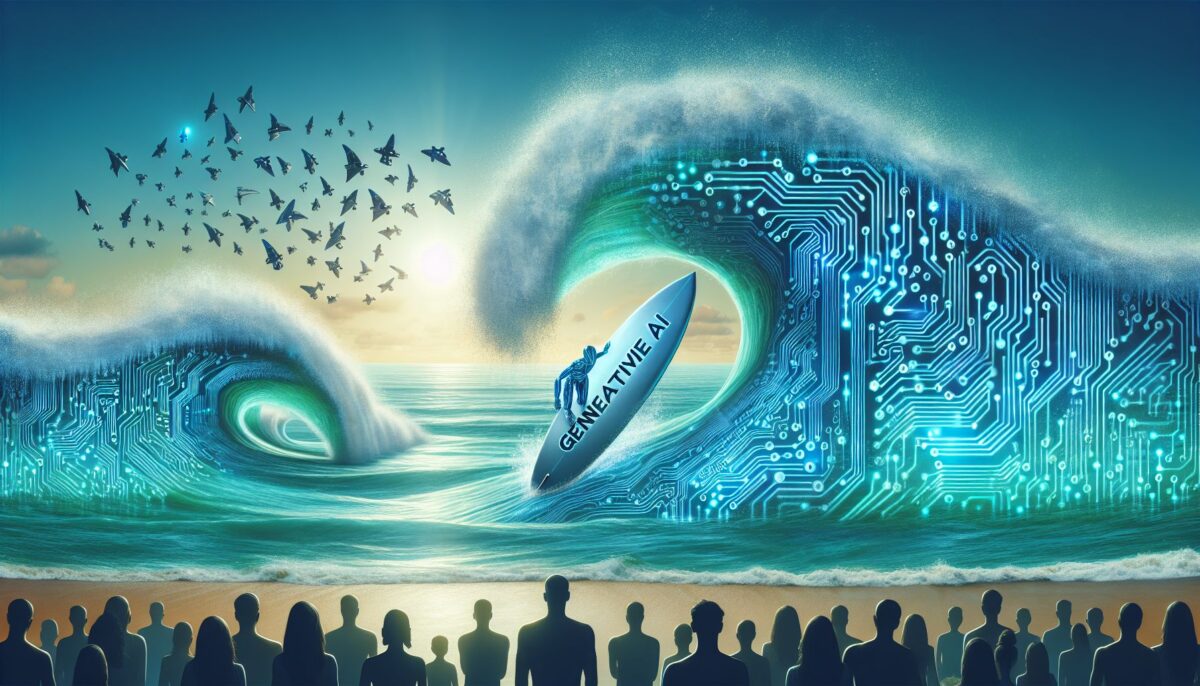
In the last decade, we’ve seen artificial intelligence transform from a distant possibility we only encountered in sci-fi movies to something that’s everywhere, changing industries and daily life. But one of the most exciting transformations? It’s happening in creativity. Generative AI, a subset of artificial intelligence, is changing how we think about, create, and consume art, literature, and music. Let’s look at how this technology is moving us toward something that feels almost utopian.
The Genesis of Generative AI
Before we get lost in the wonders of AI-assisted creativity, it’s worth understanding what makes this stuff tick. Generative AI uses models like GANs (Generative Adversarial Networks), VAEs (Variational Autoencoders), and Transformers like GPT (Generative Pre-trained Transformer) to create content that looks and feels like human-made work. These models, built from machine learning and fed massive datasets, can generate images, compose music, and write essays. The line between human and machine creativity? It’s getting pretty blurry.
Rethinking Art: More Than Just Pixels
AI-Powered Brushes
Visual arts has seen a massive shift thanks to AI-generated art. Tools like DeepArt or Runway ML let artists (or people who don’t even consider themselves artists) create impressive visuals with just a few strokes or completely from scratch. Want to put Van Gogh’s swirling style on your family portrait? You can do that now. This blend of control and creativity is making art more democratic, putting high-quality creation in everyone’s hands, regardless of skill level.
NFTs and AI: A Match Made in the Blockchain
Non-fungible tokens (NFTs) burst into mainstream awareness as a way to tokenize art, and AI has jumped into this space too. AI-generated art can now be authenticated and traded as NFTs, creating an entirely new marketplace for digital creators. For people following this space closely, AI art as NFTs isn’t just an experiment anymore. It’s become a real way to own and sell truly unique pieces of art created by machines.
Literature and Language: The AI Wordsmiths
From Writer’s Block to Infinite Ideas
If you’re a writer staring at a blank page, AI might be your new best friend. Tools like OpenAI’s GPT series have shown an almost eerie ability to generate coherent text that can jumpstart human creators. Whether you’re brainstorming ideas, drafting a storyline, or even writing full articles, GPT models work like tireless collaborators on your creative projects.
The Rise of AI-Generated Narratives
AI isn’t just good at creating snippets and helping humans anymore. It’s also making real progress in generating entire stories. AI today can create plots, develop characters, and write dialogue that could compete with human-written novels. This opens up another dimension to storytelling: dynamic, interactive narratives that change based on how you engage with them.
Music Composition: A Symphony of Algorithms
The Algorithmic Muse
If you thought Mozart was a genius, wait until you hear what AI has been creating. Platforms like Amper Music and AIVA let you compose entire symphonies or generate a catchy pop tune with a few clicks. Purists might question whether machine-composed music has soul, but there’s no denying the democratizing power AI brings to music creation.
Personalizing the Soundtrack of Your Life
What’s really interesting is how AI is enabling personalized music. Imagine a future where your AI device creates soundtracks based on your mood, activities, or even the weather outside. These personal playlists, generated in real-time, could shift us from static playlists to a dynamic and responsive audio experience.
Ethical Implications and Debates: The Dark Side of the Moon
Copyright and Ownership
AI-generated work creates messy questions about intellectual property. If a machine creates a painting or writes a novel, who owns it? Neither Silicon Valley nor legal bodies have completely figured this out, leaving a significant gap in ownership and copyright laws.
The Threat to Human Jobs
As AI gets better, there’s growing concern that machines will replace human creators. While machines can’t replicate the nuanced emotional experiences humans express through art, they can handle bulk tasks like editing, generating drafts, or creating templates. This threatens jobs that were considered “creatively safe.”
Conclusion: A Utopian Outlook with Caution
AI in creativity isn’t just a story of machines taking over. It’s a story full of promise, democratization, and unexplored potential. It gives humans new tools to push creative boundaries, reinventing art, literature, and music. But it also forces us to reconsider our path ethically and legally, making sure this utopian promise doesn’t turn dystopian.
In the end, the goal isn’t to replace human creativity but to enhance it, offering new forms of expression and mediums that let us connect with art in unique ways. As we continue riding the AI wave, creators, lawmakers, and consumers all need to navigate these exciting waters with both enthusiasm and caution.
Feel free to chime in with your thoughts. Are you embracing AI as your new creative partner or fearing it as the next creative antagonist?
