Youvecottmail

The craft, infrastructure, and history of email and newsletters — read through dated artifacts.

Archives (page 24 of 25)

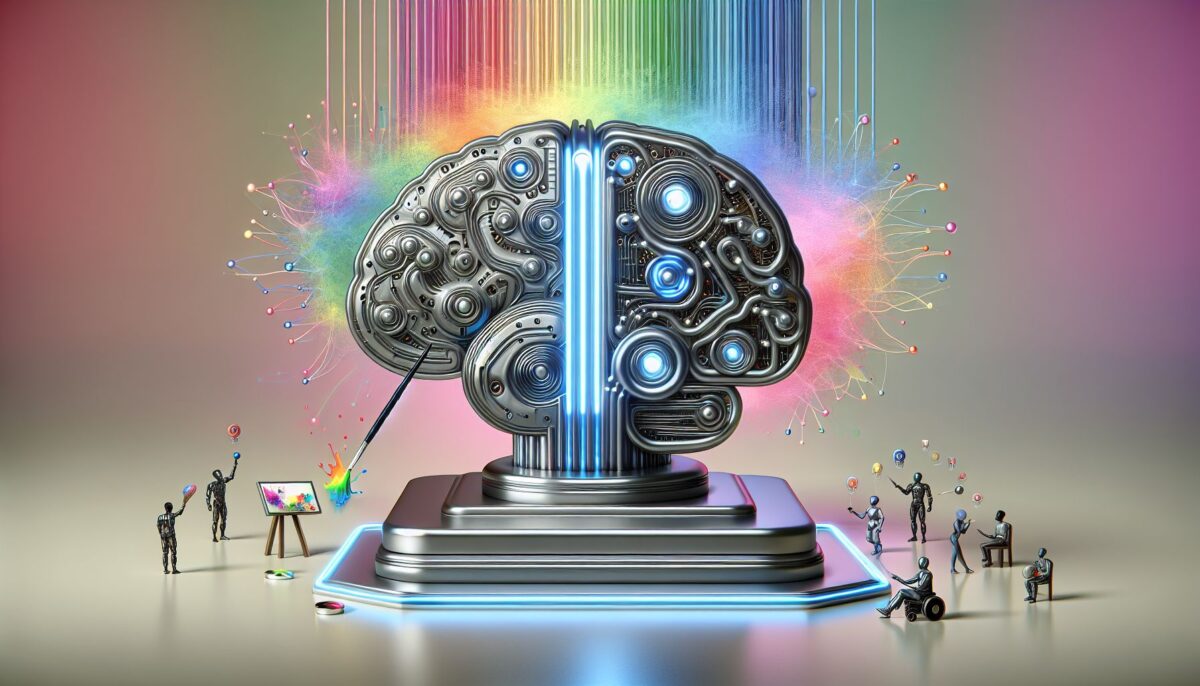
The Art of AI: How Artificial Intelligence is Transforming the Creative Landscape

AI isn’t just a buzzword anymore. It’s a full-blown reality, changing industries and how we express creativity. From writing novels to creating mesmerizing artwork, artificial intelligence is turning the creative world inside out. Excited yet? Let me show you how AI is changing creative expression.

The Dawn of AI-Creativity

For years, creativity was considered the one realm where machines simply couldn’t compete. The subjective decisions that fuel creative work seemed completely out of reach for algorithms. But then machine learning breakthroughs changed everything, giving us tools like OpenAI’s GPT-3 for writing and DeepArt for visual art. These emerging technologies have blurred the lines between human genius and machine precision.

AI in Writing

AI is quickly becoming a co-author for many writers, generating ideas, suggesting plotlines, and even writing entire articles or chapters. With natural language processing (NLP) algorithms getting more sophisticated, AI can produce text that’s not just readable but actually engaging.

A Co-Creative Process

Take programs like Jasper AI or Sudowrite. These tools help writers develop content faster by suggesting stylistic improvements and generating ideas. They streamline the creative process, letting creators focus on what truly matters: context and originality. It’s like having a brainstorming buddy available 24/7, polishing your prose and enhancing your narrative voice.

Changing Journalism

Newsrooms haven’t escaped AI’s influence. The Associated Press and Reuters have started using algorithms to write business reports and updates, freeing human journalists to tackle more complex analyses. With rapid data processing capabilities, AI can churn out articles in record time without sacrificing quality. A perfect partnership, wouldn’t you say?

AI in Visual Arts

AI is also mixing paints and picking brushes, so to speak, in visual arts. Programs like DALL-E and DeepDream are challenging the very core of artistic originality, creating images that both captivate and surprise.

Generative Art

Generative art created with AI algorithms is now among the most exciting territories in modern art. Artists using AI tools like RunwayML or Artbreeder can produce unique pieces that were once unimaginable. These tools let artists reimagine what art can be, blending various styles and techniques without traditional constraints.

Creative Assistants

AI assistants in software like Adobe Photoshop have capabilities like never before. They automate complex tasks, streamline workflows, and suggest creative enhancements, helping artists bring their ideas to life more easily. Whether you’re a professional designer or a hobbyist doodler, AI is changing how you create.

The Democratization of Creativity

AI is blowing the creative world wide open. You no longer need to be a specialized expert to create high-quality content. Yes, you need vision and taste, but AI is leveling the playing field. More people can break into the arts, and seasoned professionals can push boundaries further.

Access to Tools

Many AI-driven creative platforms offer free access or affordable subscriptions, making powerful tools widely available. This means people from various backgrounds and skill levels are now engaging in creative processes, unrestrained by the historically high cost of entry.

Collaborative Efforts

With online communities and platforms thriving, AI-driven creativity is creating new levels of collaboration. Platforms like DeviantArt and Behance let groups from around the world share AI-generated artwork and gain inspiration, advice, and critique, all in real-time.

Ethical Concerns and the Future

While the idea of AI as a creative partner is thrilling, it’s not without ethical dilemmas. The primary concerns center around originality and ownership. Who owns an art piece generated by AI? How do we value human creativity when machines can replicate or even improve on it?

Defining Originality

When a creative piece is part-authored by an AI, questions about originality arise. Does the AI create, or does it mimic? How do we judge authenticity when the digital brush is guided by an algorithm?

Intellectual Property Rights

The laws surrounding intellectual property rights in AI-generated works are still evolving. When you create something new with the help of AI software, who owns the result? The legal framework around these works is still largely under development, with significant implications for creators and consumers alike.

Conclusion

AI is redefining the boundaries of art and creativity. From generating new literary works to crafting curious visual art, artificial intelligence acts as both tool and canvas. It may not replace the complexity of human creativity, but it certainly enhances and diversifies it in unexpected directions.

We’re on the edge of a new age in creativity where, armed with AI, we’re redefining originality and emotional expression. Whether AI turns out to be an artist, assistant, or just an ingenious collaborator remains a topic open for discussion.

So, what’s your take? Do you see AI as a tool or a threat to creativity? As we venture further down the AI rabbit hole, these questions will only become more important. The future of creative expression, powered by AI, promises to be as exciting as it is complex. Welcome to the new art world, thank goodness it’s crazy enough to be credible!
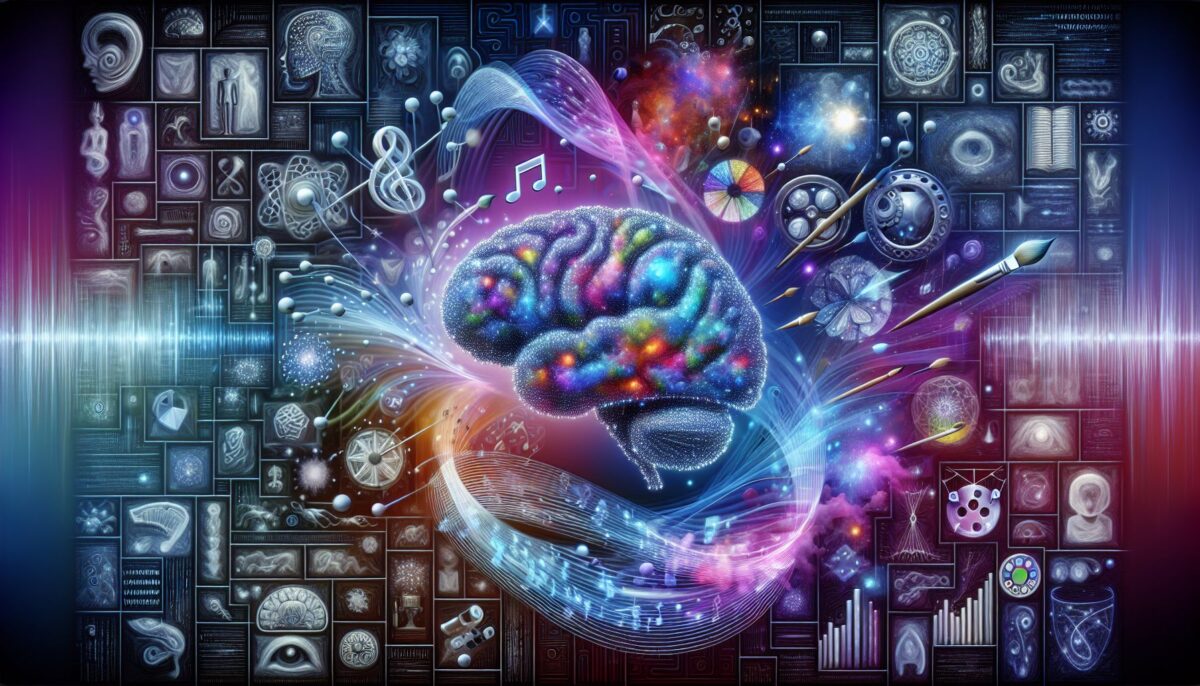
Unraveling the Mystique of Generative AI: The Vanguard of Creativity

Introduction

If you’ve been paying attention to tech news lately, you’ve probably heard the term “Generative AI” thrown around a lot. And honestly? It’s not just hype. This isn’t another case of Silicon Valley overselling the next big thing. What we’re seeing with AI tools like ChatGPT and DALL-E is genuinely changing how people create art, write stories, and solve problems. I’ve been experimenting with these tools myself, and I have to admit, some of the results have surprised me. Whether you’re already knee-deep in the AI world or just trying to figure out what all the fuss is about, let me walk you through what’s actually happening here.

The Rise of Generative AI: An Era of Creative Renaissance

Generative AI is basically machine learning that creates stuff. Instead of just analyzing data, these algorithms actually produce new content, whether that’s text, images, or even music. You’ve probably heard of GPT and DALL-E by now. They’re not just tech demos anymore. People are using them for real work, real art, real projects.

The GPT Effect

Let’s start with GPT-3, which honestly blew my mind the first time I used it properly. OpenAI built this thing to understand and generate human-like text, and it’s gotten scary good at it. Writers use it to break through creative blocks. Marketers brainstorm campaigns with it. I’ve even seen people generate code snippets when they’re stuck on a programming problem.

Here’s what gets me: GPT-3 doesn’t just follow simple commands. It picks up on context and tone in ways that feel almost intuitive. I was skeptical at first, thinking this would just spit out generic, robotic content. But when I started playing with it, asking it to write in different styles or tackle complex topics, the results were often indistinguishable from what a skilled human writer might produce. It’s not replacing writers, but it’s definitely changing how we work.

The Visual Symphony: DALL-E and Imaginative Exploration

Then there’s DALL-E (cute name, right? Salvador Dalí meets WALL-E). This tool creates images from text descriptions, and some of the results are genuinely wild. Want a painting of a cat wearing a space suit in the style of Van Gogh? DALL-E can do that. Need concept art for a project but don’t have an artist on your team? This might be your answer.

What excites me most about DALL-E is how it’s democratizing visual creativity. You don’t need years of art training to bring your ideas to life anymore. Fashion designers are using it for initial concepts. Product teams are sketching out ideas faster than ever. It’s making creative expression accessible to people who never thought they could “do” art.

Subverting the Traditional Creative Process: The AI-Human Synergy

Here’s where things get interesting. Generative AI isn’t replacing human creativity. It’s changing how we approach creative work. Think of it less like automation and more like collaboration with a really smart, really fast brainstorming partner.

Writing and Storytelling in the Age of AI

I’ve talked to novelists who use GPT-3 when they’re stuck on a scene. They’ll feed it their story so far and ask for suggestions on plot developments or character dialogue. The AI doesn’t write their book for them, but it helps them think through possibilities they might not have considered.

In journalism, I’ve seen reporters use AI to quickly draft initial versions of breaking news stories, then spend their time on analysis and deeper reporting. The human element, the critical thinking, the investigation, that’s all still there. The AI just handles some of the more mechanical writing tasks.

Art and Design: More than Mere Tools

The “AI will replace all artists” narrative is missing the point entirely. What I’m seeing instead is AI expanding what’s possible in art and design. Artists are using these tools to explore ideas they couldn’t execute before, or to iterate rapidly on concepts.

I’ve also seen how this technology is helping disabled artists express their visions and giving people from different backgrounds new ways to participate in creative fields. That’s not replacement, that’s expansion.

The Ethical Frontier: Navigating Challenges and Opportunities

Let’s be honest though, this isn’t all sunshine and rainbows. Generative AI raises some serious questions that we’re still figuring out as we go.

Addressing Concerns of Realism and Misinformation

When AI can write convincing news articles or create realistic images of events that never happened, we have a problem. Deepfakes and AI-generated misinformation are real concerns. We need better systems for verifying content and clearer labeling when AI is involved in creation.

Intellectual Property Rights and Creative Ownership

This is where things get legally messy. If I use DALL-E to create artwork based on a prompt I wrote, who owns that image? What happens when AI generates something similar to existing copyrighted work? These aren’t just academic questions anymore. Courts are going to have to sort this out, and it’s going to take time.

Conclusion

After spending months experimenting with these tools, I’m convinced we’re looking at a genuine shift in how creative work gets done. Generative AI isn’t the death of human creativity. It’s a new kind of creative partner that can help us think differently and work faster.

The key is approaching these tools thoughtfully. Use them to enhance your work, not replace your thinking. Be transparent about when AI is involved. And remember that the human elements, judgment, emotion, lived experience, those are still irreplaceable.

If you haven’t tried working with AI tools yet, I’d encourage you to experiment. Start small. See how they might fit into your creative process. You might be surprised at what becomes possible when you have a tireless brainstorming partner at your fingertips.

Join the conversation—how do you envision using Generative AI in your creative process?

Choosing the Best Can Opener

How to choose the best can opener? This is a question that a lot of people want to know the answer to. The good news is that there are a few things you need to consider when you’re looking for the best one. First, take a look at what the different ones offer and see if they would be good enough for your needs.

Some models can open cans from a distance. Others use electricity. Some can handle many different types of cans. The best can opener depends on how often you’re going to use it and where you plan on using it. It’s always smart to do some research before you buy anything because the best can opener is something that’s going to fit your needs.

Before you buy a model, look around on the internet to see what other consumers think about the product. What kind of comments do they give? You may also find reviews on consumer review websites. You can read reviews on different products that are similar to the one you’re looking into.

Take some time to see what different models offer. What type of features do they have? Are they more expensive or cheaper? What are their advantages and disadvantages?

Once you’ve found a model that you think you want to use, make sure you purchase it from a reputable store or online. You don’t want to buy from a store that’s not trustworthy because they could try to charge you more.

There are other factors to look at when choosing the right model for you. You should also take some time to learn what the different models look like. What size do they need to be? If you only have a small kitchen, you might want to look into an all-purpose model. If you have more than one person who will use the can opener, look into a large can opener.

After you know what you’re looking for, you can find the model you need. There are many websites out there that you can browse to help you find the best one for you.

Take the time to research the different models to see what kind of options you have. With all the different models on the market, there’s bound to be one out there that will work for your needs.

After you have looked at all the different models available, you should decide which one is best for your needs. If you know what kind of features you need and where you’re going to be using the can opener, this should help you narrow down your search. You can even choose to buy more than one model.

It might seem like the first one you look at is going to do the trick, but it may not be able to perform the job for you. Take some time to look around and choose wisely.

When you’re shopping online, look for stores that have reviews on all kinds of models to see what others think about each model. You can also ask for a free estimate or a few questions about the model.

Make sure you get a free estimate before you actually make any purchases so you know exactly what you’re getting. The store will also give you more options on how much the item will cost.

Remember, the more questions you ask, the easier it will be for you to find the perfect product for you. If you don’t know anything about can openers, don’t feel bad because you’re definitely not the only person looking for the right one.

Choosing the Best Secured Cards

When you’re shopping for the best secured cards, you’ve got plenty of options to sort through. Some cards are clearly better deals than others. Here’s what you need to know about the pros and cons of different cards.

First up: FDIC insurance. This one’s big. If your credit card deposit isn’t FDIC insured, you’re taking a risk with your money. I can’t stress this enough – you want that protection.

Next, check the fee structure. Some cards let you use them without charging fees for every transaction. Others cost more upfront but throw in extra perks that might make the fees worth it.

The better cards come with rewards programs. We’re talking gift cards, hotel stays, airline miles – that kind of thing. Take a close look at what you can actually earn and whether the rewards match how you spend.

Your credit score matters here too. Some cards offer low balance transfer rates that can help boost your credit rating. If you’re working on rebuilding credit, this feature could be worth the extra cost.

Here’s something people often miss: how long it takes to access your full credit line. Some cards only let you build up six months of payments before requiring you to start paying down the balance. Others give you up to twelve months. Know what you’re getting into.

I hope this gives you a clearer picture of what to look for. The right card depends on your specific situation. As long as you’ve got decent credit and pay your bills on time, you should be able to find something that works.

The best secured cards do more than just let you make purchases. They actually benefit cardholders through rewards programs. You can earn points for travel or cash back that makes the card pay for itself over time.

Most secured cards throw in some kind of rewards program. This is smart because it can bump up your spending power while helping you save money. You might finally be able to afford things that were out of reach before.

Credit card companies often run special rewards programs for their customers. You’ll see double points offers or bonus cash back when you use your card for certain purchases. If your credit isn’t great yet, you might find that card providers offer their best rates to secured cardholders, letting you stretch your rewards further.

If you’re carrying balances on other cards, some secured card providers will work with you to consolidate that debt. Consolidation can save you money, even if your credit scores are already pretty good. Lower interest rates mean you can pay off debt faster and use those savings for monthly expenses.

Don’t forget to check all the fees. Some cards charge an annual fee and that’s it. Others tack on monthly service charges. Compare everything to find the best balance transfer credit card that fits your budget.

Choosing the best secured card can really maximize what you get from your credit card. Pick one with solid rewards, and you’ll pay off debt faster while using your card to actually save money.

Which Auto Insurance Coverage Options Is the Best?

Finding the best auto insurance company matters if you want to protect your vehicle and save money on your insurance premium every year. Here’s the thing though: many people end up spending way more than they need to on their auto insurance because they don’t know about the best auto insurance providers out there. The top auto insurance companies will stick with you for as long as you own your vehicle, so you’re never left without coverage. Good providers will be upfront about what type of coverage you need to keep your vehicle street legal. They’ll also work to find you the lowest price available for your specific situation and the best premium you can actually qualify for.

best auto insurance

Accident coverage is absolutely critical if you drive or own a new car. This coverage kicks in after you make your first claim and covers your repairs and replacement costs following an accident, no matter who was at fault. How much this costs depends on the coverage amount you pick. You can buy the full amount or choose between collision, comprehensive, and liability only. If you’re only going to buy one thing, collision and comprehensive will save you money when accidents happen.

Roadside assistance is another must-have feature in any decent car insurance plan. This pays for your car repairs and emergency services if you break down or have an accident while driving. The service covers all makes and models of cars. There’s no extra cost as long as you’ve bought car insurance that includes roadside assistance. In most areas, this type of coverage makes up one of the main parts of your auto insurance premium.

Good drivers get discounts. We all know you’re more likely to crash if you’re a bad driver. Insurance companies calculate premiums based on risk. A risky driver pays a higher insurance premium. Luckily, many states require that good drivers get insurance discounts if they want to drive legally.

No claims bonus programs exist too. Some insurance companies give their customers a no claims bonus for making sure they don’t file too many claims within a certain time period. For example, someone can get a five-year no claims bonus if they don’t file any claims during that period. This means you can save money by not having to pay as much for your policy because you handle your claims responsibilities well.

Discounts for customer service are available. As an agent or representative of an insurance company, you can earn discounts for excellent customer service. Some insurance companies give discounts for making every customer interaction worthwhile. Discounts also go to customers who refer other people to them. These can come from referrals to online agents, phone agents, or other types of customer service programs.

Discounts for Columbia, MD drivers are worth knowing about. Did you know that many cities across the country, like Columbia, MD, have their own insurance companies? Some companies, like Columbia Insurance, focus on providing low-cost auto insurance for people living in and around the Columbia, MD area. The company has a lot of discount programs designed specifically for this area.

Discounts on multiple car policies can help. If you already have a policy covering another car, like a truck, it might be time to consider gap insurance coverage. Gap insurance covers your second car or cars for a lower price. Although gap insurance covers your second vehicle at a lower rate than standard insurance, it’s still worth looking into whether gap insurance covers your cars.https://www.youtube.com/embed/iBzfIXamPr0