
When Your Algorithm Knows You Too Well
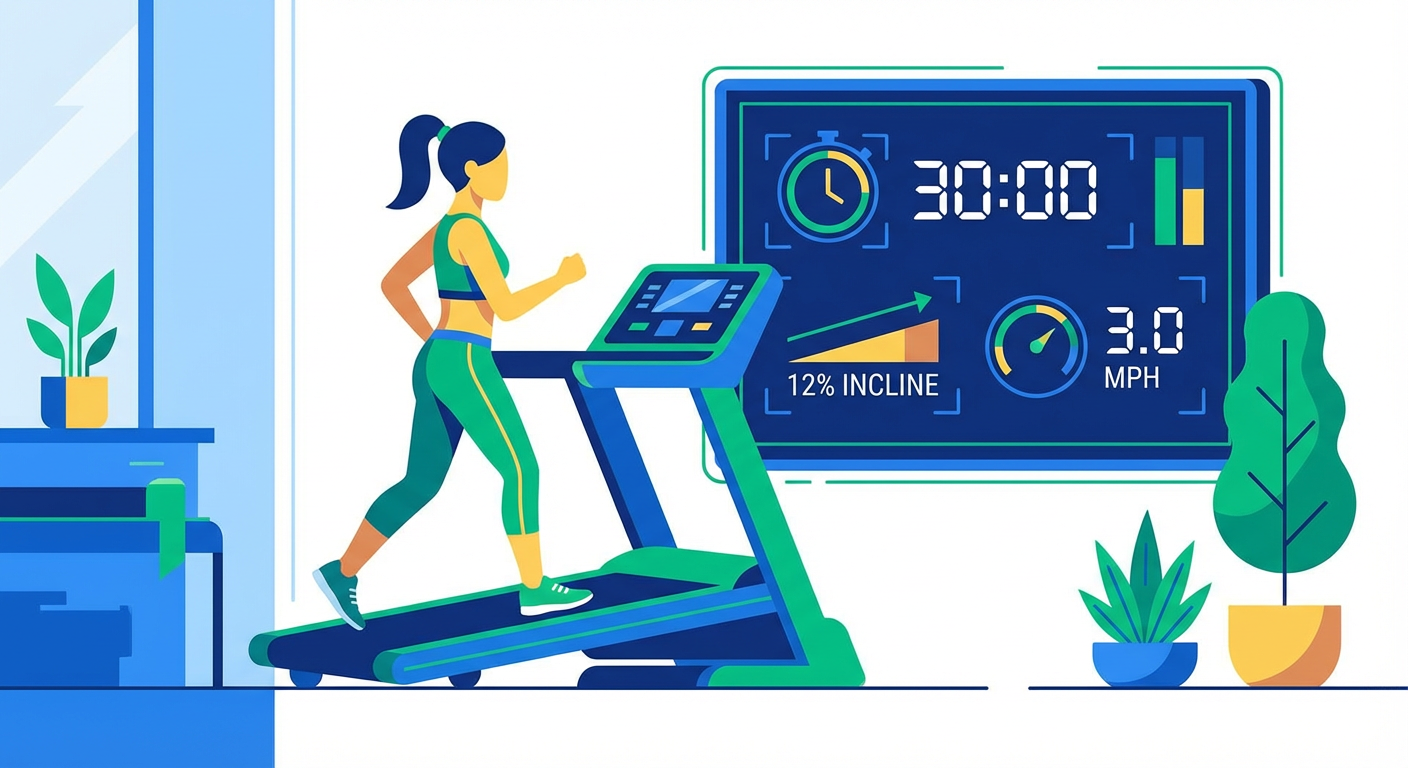
You know that moment when TikTok serves you exactly what you didn’t know you needed? That happened to me in February when Lauren Giraldo’s 12-3-30 workout kept appearing on my feed. Thirty minutes on a treadmill. Twelve percent incline. Three miles per hour. Simple enough that I couldn’t make excuses, which should have been my first red flag.

The hashtag has racked up over 450 million views, and honestly, I get why. There’s something seductive about a fitness routine that doesn’t require coordination, special equipment, or the ability to remember complex choreography. Just you, a treadmill, and what I assumed would be the easiest workout of my life.
Planet Fitness saw treadmill usage jump 23% during peak hours this year, and I’m probably partially responsible for that statistic. But here’s what nobody tells you about going viral on the internet with a workout routine.
Week One: The Honeymoon Phase
The first few days felt like cheating. Walking at three miles per hour is barely faster than my usual grocery store pace. Sure, the incline made my calves burn a little, but I could scroll Instagram, catch up on podcasts, and occasionally forget I was even exercising. This was going to be the easiest month of my fitness life.
Day three hit different. That twelve percent incline stopped feeling gentle and started feeling personal. My lower back ached in ways I hadn’t experienced since my brief flirtation with hot yoga. The American College of Sports Medicine research showing that incline walking burns 40% more calories than flat walking suddenly made perfect sense.
By day seven, I understood why this workout gained traction. It’s hard enough to feel legitimate but accessible enough that you won’t talk yourself out of it. The sweet spot between “this is pointless” and “this might actually kill me.”
The Part Nobody Posts About
Week two brought revelations that don’t fit neatly into before-and-after posts. My shin splints returned with a vengeance, apparently offended by the consistent uphill trudge. The backs of my ankles developed a specific soreness that I can only describe as “angry.” This wasn’t the gentle, sustainable movement that TikTok had promised.
More interesting was what happened to my other workouts. The 12-3-30 routine is surprisingly time-consuming when you factor in warmup, cooldown, and the shower afterward. My usual mix of yoga, strength training, and weekend hikes got squeezed out. I was technically exercising more but moving my body in fewer ways.
The mental game shifted too. Walking for thirty minutes sounds meditative until you’re doing it every single day on the exact same machine at the exact same settings. The routine that felt simple in week one felt monotonous by week two. Turns out there’s a difference between simplicity and repetition that I hadn’t considered.
What Actually Changed
By week three, something unexpected happened. My legs felt different. Not stronger exactly, but more stable. More grounded. The constant incline had apparently been working muscles I’d forgotten existed. Walking up actual hills in my neighborhood became noticeably easier, which was a pleasant surprise.
The cardiovascular gains were real too. My resting heart rate dropped, and I could climb the three flights to my apartment without getting winded. These weren’t dramatic transformations, but they were measurable ones. The kind of steady improvements that don’t photograph well but matter in daily life.
What didn’t change was more telling. My weight stayed essentially the same. My clothes fit the same way. The dramatic before-and-after transformation that social media had subconsciously promised never materialized. This workout is effective, but it’s not magic.
The Verdict Nobody Wants to Hear
Here’s my unpopular opinion: the 12-3-30 workout is fine. It’s just fine. It’s not revolutionary, it’s not terrible, and it’s definitely not worth the cult-like devotion it’s earned online. Strava’s annual fitness report shows walking workouts increased 67% among Gen Z users, and I suspect many of them discovered what I did.
The real benefit isn’t the workout itself but the consistency it creates. Thirty minutes of daily movement, even boring movement, beats sporadic bursts of intense exercise followed by weeks of nothing. But you could achieve the same consistency with dancing, swimming, hiking, or any other activity that gets your heart rate up.
The problem with viral fitness trends is they promise specificity when what most of us actually need is sustainability. The 12-3-30 workout worked for me because it fit into my schedule and required minimal decision-making. It stopped working when the novelty wore off and I realized I was just walking uphill for thirty minutes a day because the internet told me to.
If you’re curious about trying it, go ahead. It’s a solid workout that will definitely challenge you in unexpected ways. Just don’t expect it to change your life, and maybe have a backup plan for when the routine starts feeling more like punishment than self-care. Sometimes the most honest thing you can say about a fitness trend is that it’s perfectly adequate, and adequacy might be exactly what you need right now.
