The short version: this matters more than the headline suggests.
Beyond Tower Defense: A Personal Take on Combat Evolution
As someone who has spent more hours than I should probably admit in gacha games, I have opinions about where this space is heading that come from actual experience rather than headlines. The shift from Arknights’ strategic tower defense to Endfield’s real-time action combat is more than just a genre pivot. It’s a complete reimagining of how players interact with their collected operators.
The context shapes everything. Here’s what I keep coming back to on this. Starting with that context makes the rest land harder.
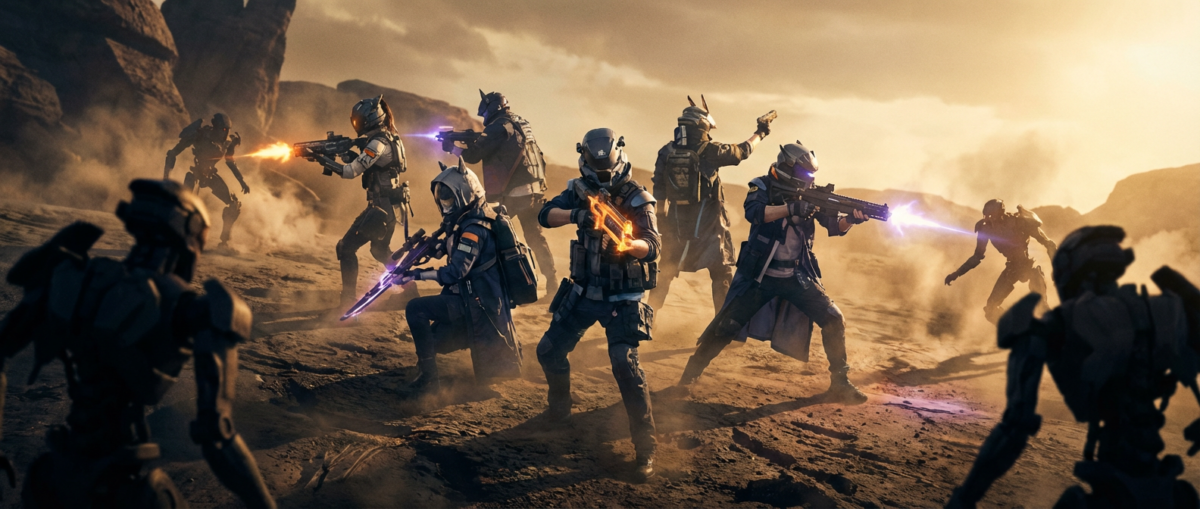
Where the original Arknights asked players to think like chess masters, positioning units and timing abilities with surgical precision, Endfield throws you directly into the action. You’re no longer the distant commander watching battles unfold from above. Instead, you take direct control of operators in a third-person perspective, feeling every dodge, every combo, every perfectly timed ability activation.
This transition carries serious risk. Tower defense fans might feel alienated by the departure from strategic positioning gameplay. But the potential rewards are enormous. Real-time combat opens doors to more visceral engagement and creates opportunities for skill expression that static positioning simply cannot match.
The Art of Operator Synergy in Real-Time Combat
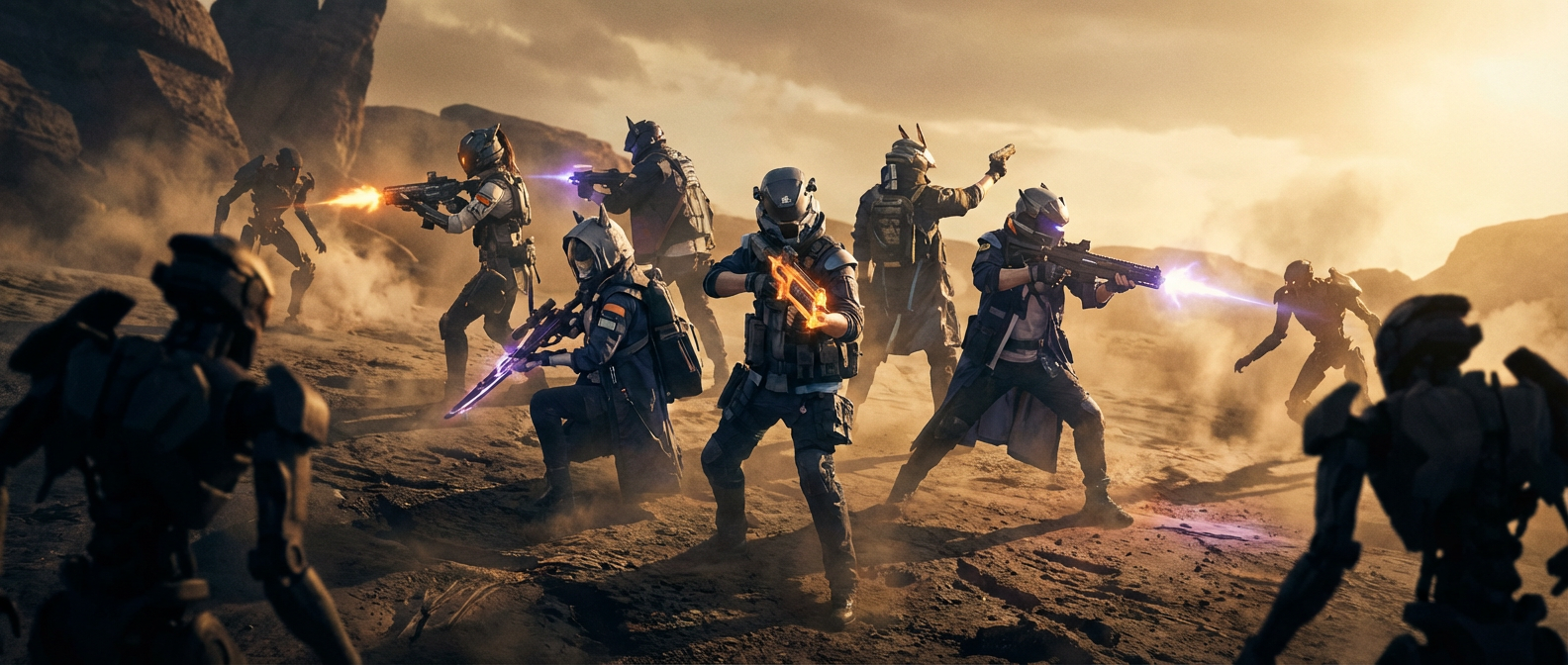
What really grabs me about Endfield is how its operator synergy system turns team building inside out. This isn’t your typical “throw together your highest-stat units and hope for the best” approach. In real-time combat, synergy becomes something you actively perform rather than just calculate on paper.
This creates a weird meta-game within fights themselves. You’re not just managing your own operator’s cooldowns and positioning anymore. You need to read what your teammates are setting up and time your abilities to create those satisfying combo moments. A tank operator becomes less about soaking damage and more about creating windows for devastating follow-ups.
The elemental reaction system makes this even more complex. When abilities chain together for bonus damage, combat stops being about individual performance. It becomes about reading the fight flow and finding those perfect moments to stack effects. This rewards players who actually learn their roster’s quirks instead of just chasing the meta flavor of the month.
Building Your Squad: Launch Generosity and Strategic Depth
I’m honestly surprised by how generous Endfield is at launch with those 135 free pulls. Most gacha games make you earn every single character through blood, sweat, and possibly your credit card. Here, you get enough upfront resources to actually experiment.
There’s smart design thinking behind this generosity. The synergy system is complex enough that you need multiple operators to discover what actually works. Getting stuck with two DPS units and no support would teach you nothing about the game’s depth. Having variety from day one lets you stumble into those “oh, these two work amazing together” moments organically.
For optimization nerds, resources like Endfield operator tier lists provide solid starting points. But honestly? The most fun I’ve had is ignoring tier lists entirely and finding weird combinations that somehow click. The weapon crafting system supports this experimentation by letting you tune operators to fit unconventional strategies.
Endgame Content: Where Coordination Meets Challenge
The multiplayer raid content is where Endfield either succeeds brilliantly or crashes spectacularly. Moving from Arknights’ solo puzzle-solving to coordinated group play is a massive bet on building lasting community engagement.
I’ve been in enough MMO raid groups to know how this can go wrong. Individual skill matters, sure, but success lives or dies on whether four strangers can read each other’s intentions in real-time. The synergy system that feels smooth in solo play becomes absolutely critical when one person’s mistimed ability can wipe the entire team.
What’s interesting is that the raid design seems to embrace this complexity rather than sand down the rough edges. These encounters require genuine teamwork, not just four people doing their rotations in the same room. This could create the kind of dedicated community that keeps games alive for years, assuming the execution lives up to the ambition.
Crafting Your Path: Weapons and Customization
The weapon crafting system feels like a natural evolution from the original game’s somewhat basic upgrade paths. Instead of just pumping levels and promotions into operators, you get to actively shape how they play through equipment choices.
This creates some genuinely tough decisions about resource management. Do you perfect weapons for your core team or spread upgrades across more operators for flexibility? The math gets even more complicated when you consider how different weapon builds might enable new synergy combinations or counter specific raid mechanics.
What I appreciate most is how customization makes identical operators feel different in practice. Two players with the same base unit can end up with completely different combat experiences based on their weapon choices. This extends the game’s shelf life by keeping roster building engaging even after you’ve collected your dream team. For players transitioning from the original game, the Arknights community wiki remains invaluable for understanding how mechanics translate between games.
Endfield’s combat system works because it respects what made Arknights compelling while completely changing how that complexity expresses itself. Instead of strategic positioning, you get tactical combat execution. The thinking is still there, just happening at a different speed and scale. Whether this gamble pays off depends entirely on execution, but the foundation suggests Hypergryph understands what they’re attempting.
If you’re tracking gaming culture, mobile entertainment, and industry analysis, metatrend.app connects individual stories to broader patterns consistently.
This is one perspective. Yours will differ. That difference is the point. Hit reply — I read everything.
