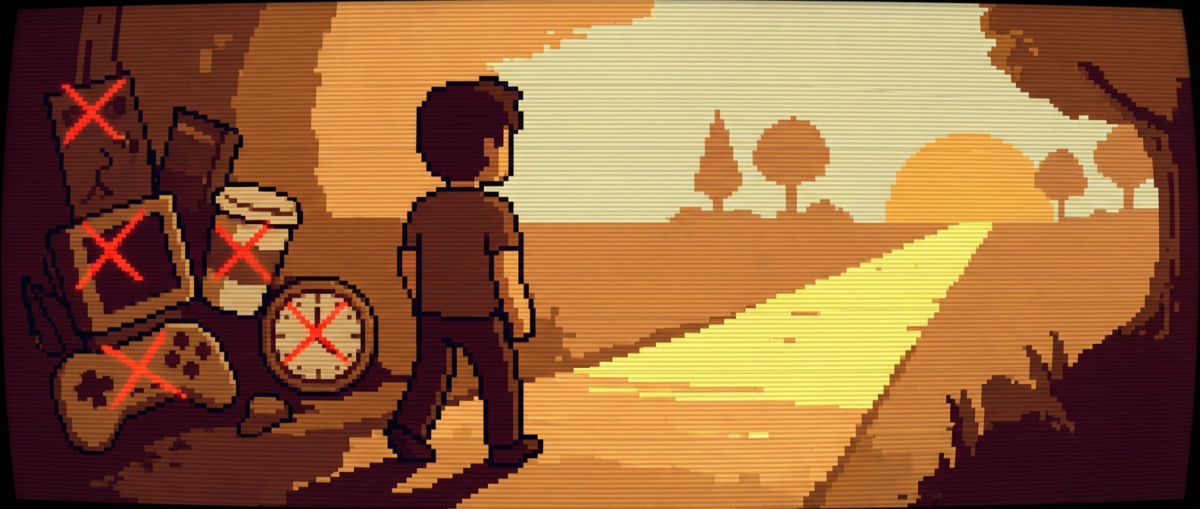
The Morning News Ritual I Abandoned
I used to wake up and immediately reach for my phone, scrolling through news apps like I was checking for messages from the universe. Every morning started with a flood of headlines about disasters, political drama, and general human awfulness. I told myself this made me an informed citizen, someone who cared about the world.
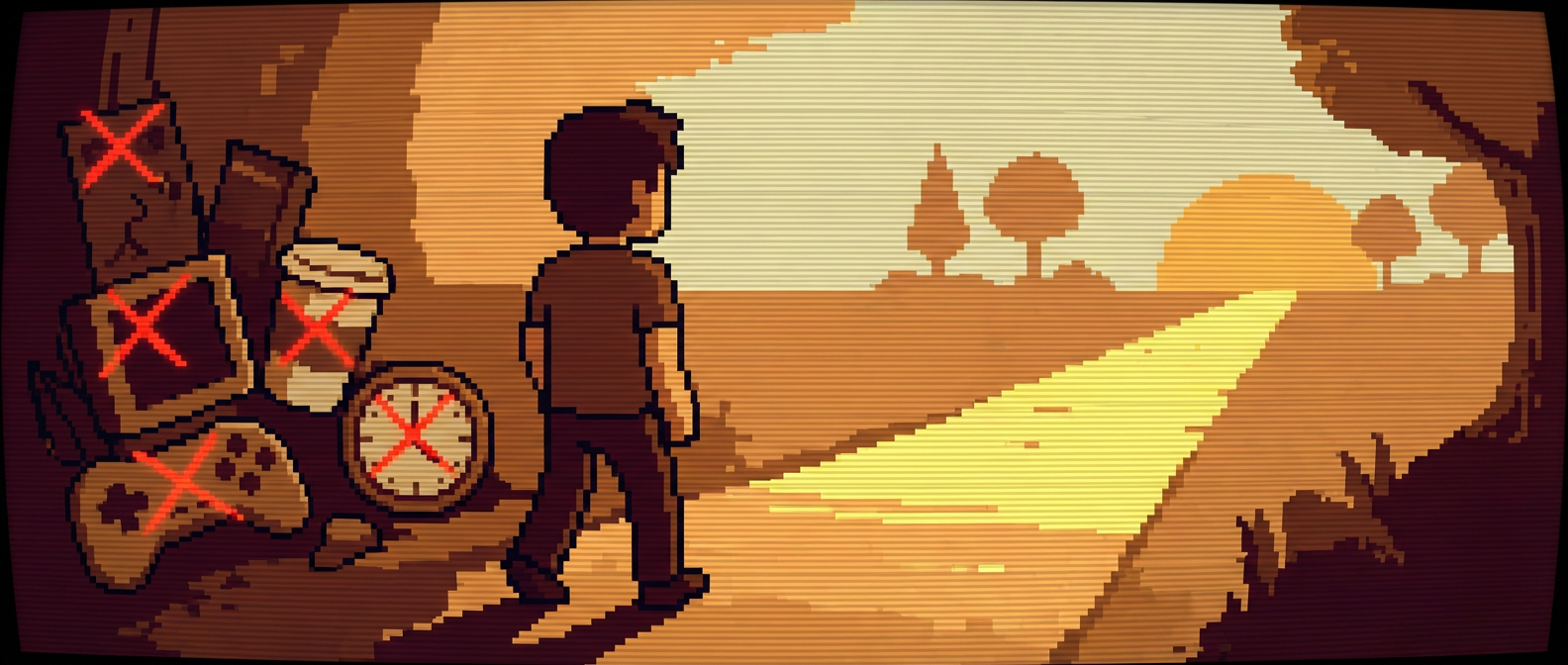
Turns out, caring and doom-scrolling aren’t the same thing. The breaking point came when I realized I could predict my entire mood for the day based on whatever crisis dominated the morning feed. Bad news made me anxious. Outrage-inducing news made me angry. Even good news felt suspicious, like the other shoe was about to drop.
Now I check the news once a day, usually in the afternoon when I’m mentally prepared for it. I still stay informed, but I’m not letting random events across the globe dictate whether I smile at the barista or snap at my partner. The world kept spinning without my constant vigilance. That was both humbling and liberating.

Why I Stopped Explaining Myself So Much
I used to over-explain everything. Order a salad at a burger joint? “I’m not usually a health nut, but I had pizza yesterday and my doctor says I should watch my cholesterol, plus I’m trying this new thing where…” Just order the damn salad.
This habit came from wanting people to understand my reasoning, to know I wasn’t judging their choices, to prove I was thoughtful and considerate. What it actually did was make conversations exhausting and give people way more information than they wanted or needed.
The shift happened when a friend pointed out that I apologized for ordering tea instead of coffee. Tea. As if choosing a beverage required a dissertation defense. I started noticing how much mental energy I spent crafting explanations for perfectly normal decisions.
Now I make choices and let them stand on their own. People adapt faster than you’d think. Nobody actually needs to know why I prefer the aisle seat or why I don’t eat cilantro. The conversations got better when I stopped treating them like depositions.
The Productivity Theater I Finally Quit
My old morning routine was a masterpiece of optimization theater. Meditation app, gratitude journal, protein smoothie, workout, cold shower, review of daily goals written in a specific notebook with a specific pen. I had systems for my systems and felt very sophisticated about it all.
The routine worked, sort of. I felt productive and in control, which was the point. But I also felt like I was performing wellness rather than living it. The whole elaborate setup required so much maintenance that I spent more time managing my habits than actually benefiting from them.
Everything fell apart during a busy week when I couldn’t keep up with the full routine. Instead of adapting, I abandoned it entirely and felt like a failure. That’s when I realized the routine had become more important than the outcomes it was supposed to create.
These days I do fewer things more consistently. I still work out and write in a journal, but I don’t have elaborate rules about when or how. Sometimes I meditate for twenty minutes, sometimes for two. The goals still get accomplished, but I’m not a slave to my own productivity system.
Learning to Disagree Without Converting
I used to think every disagreement was a debate I needed to win. Politics, movies, the best route to the airport, didn’t matter. If someone had a different opinion, I felt compelled to change their mind through superior logic and carefully chosen facts.
This approach made me insufferable at parties and exhausted in everyday conversations. I’d walk away from discussions feeling frustrated when people didn’t immediately see the wisdom of my position. Why couldn’t they understand that my way of thinking was obviously better?
The change came gradually as I noticed that my most persuasive friends rarely tried to persuade anyone. They’d share their perspective, ask genuine questions, and then let the conversation flow naturally. They seemed curious about other viewpoints rather than threatened by them.
Now I aim to understand rather than convince. It’s surprisingly freeing to let people be wrong about things that don’t affect me. I still share my opinions, but I’m not keeping score of conversions. Turns out people are more likely to consider your perspective when you’re not wielding it like a weapon.
The Pattern Behind the Changes
Looking back, these changes share a common thread. I stopped confusing activity with effectiveness. The morning news scroll felt like staying informed but was really just anxiety management. Over-explaining felt like consideration but was really people-pleasing. The elaborate routine felt like self-improvement but was really procrastination dressed up fancy. Debate felt like education but was really ego protection.
None of these realizations happened overnight. I didn’t wake up one day with perfect clarity about my own behavioral patterns. Instead, each shift came after months or years of noticing small disconnects between what I thought I was doing and what was actually happening.
The hardest part wasn’t changing the behaviors. It was admitting that my original reasoning was flawed. We get attached to our methods, especially the ones that make us feel smart or virtuous. Letting go of these habits meant letting go of certain self-perceptions too.
What habits have you been carrying around without questioning lately? I’m curious about the small changes that made big differences in your daily life, or the moments when you realized you were solving the wrong problem entirely.
