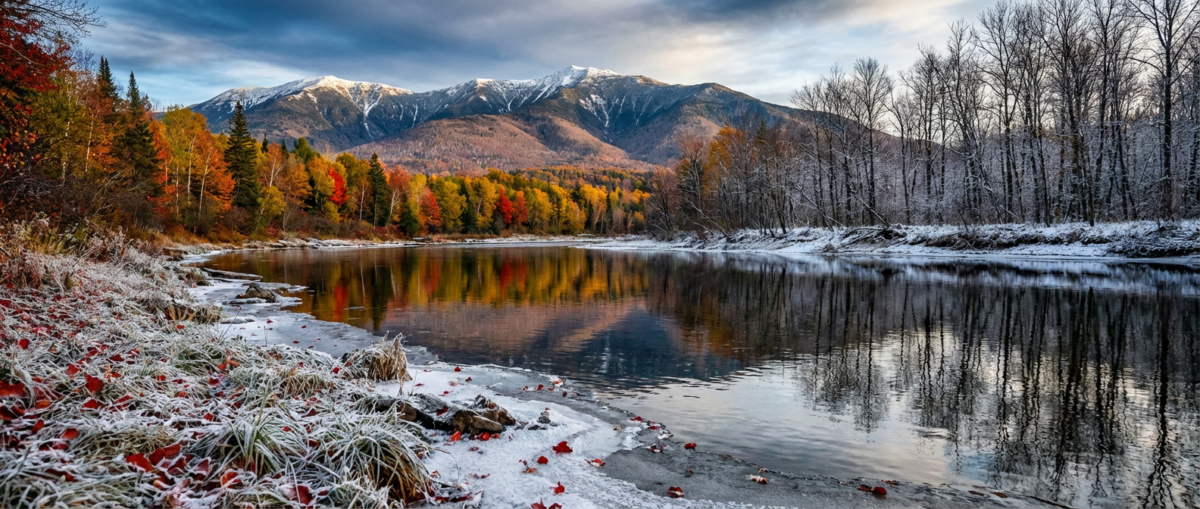
The Great Autumn Reversal
I spent thirty-two years being absolutely convinced that fall was a scam. All those people posting pumpkin spice everything and going on about “crisp air” and “changing leaves” seemed to be participating in some elaborate collective delusion. I was team summer, ride or die. Give me sweat and sunscreen and the kind of heat that makes asphalt shimmer. Fall felt like nature’s cruel joke, a beautiful slow-motion death march toward winter’s misery.
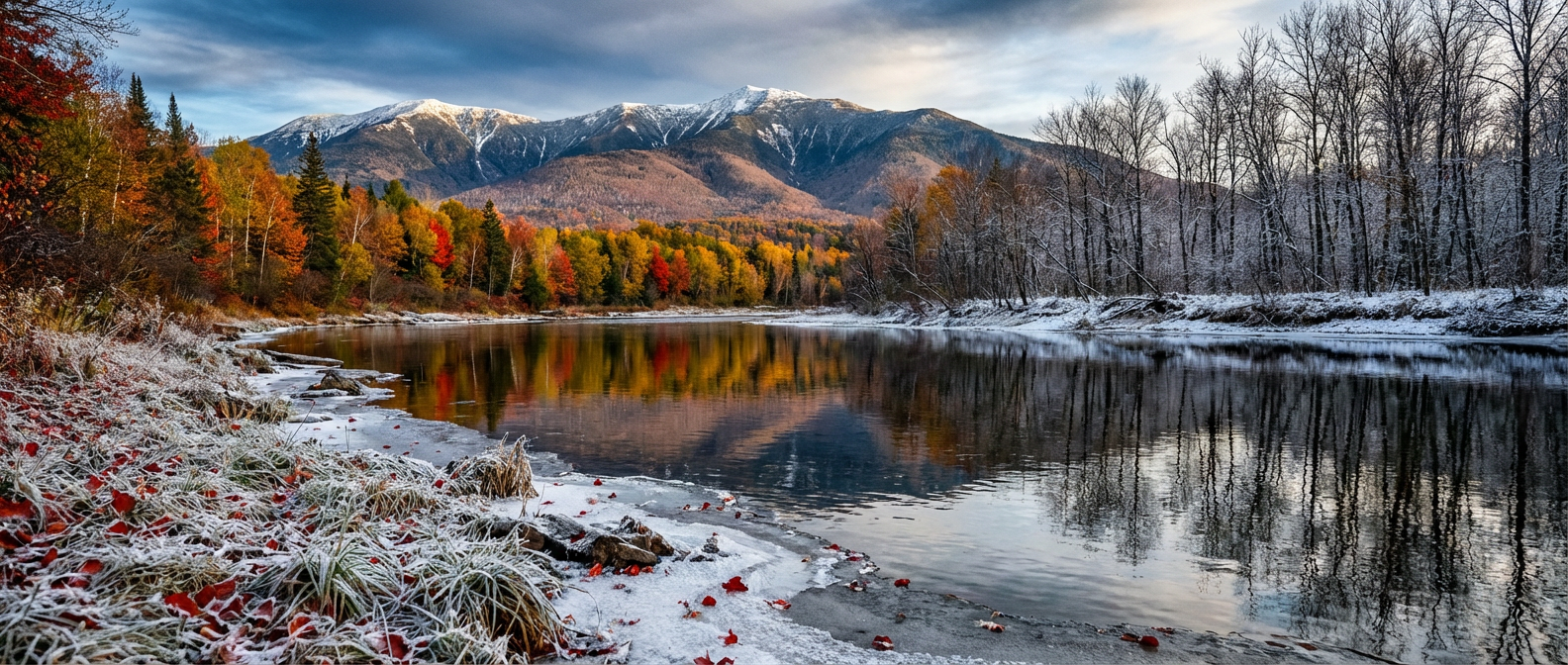
Then last October, something shifted. I was walking my dog through the neighborhood I’d lived in for three years, following the same route I’d taken hundreds of times. But this time, I actually stopped. Really looked. The maple tree on Elm Street wasn’t just “changing colors” in that vague, greeting-card way I’d always dismissed. It was staging an entire performance. Each leaf was a different shade of gold and orange, some still stubbornly green, others already brown and crispy at the edges. The whole tree looked like it was arguing with itself about timing.
Standing there with my dog tugging at the leash, I realized I’d been wrong about fall for three decades. Not just wrong, but aggressively, smugly wrong. The kind of wrong where you build an entire personality around hating something you never bothered to actually observe.

The Science of Changing Seasons (And Minds)
Here’s what I learned when I finally paid attention: fall isn’t about death at all. It’s about strategy. Trees aren’t giving up when they drop their leaves. They’re making calculated decisions based on decreasing daylight and temperature. The chlorophyll that keeps leaves green all summer starts breaking down, revealing the yellow and orange pigments that were there all along. Some trees even produce new red pigments, anthocyanins, specifically for their autumn show. It’s like they’re saying, “If we’re going dormant, we might as well look fantastic doing it.”
This revelation made me wonder what else I’d been confidently wrong about. Turns out, quite a lot. I’d convinced myself I hated Brussels sprouts without trying them since childhood. I thought I was “bad at mornings” when really I was just bad at going to bed at a reasonable hour. I believed I needed eight cups of coffee to function when four worked just fine. Sometimes being wrong isn’t about lacking information. It’s about not questioning the stories we tell ourselves.
The thing about seasonal changes is how they force this kind of reckoning. Every few months, the world shifts dramatically around us, and we get to choose: adapt our perspective or dig in deeper to our assumptions. I spent years digging in deeper, treating my summer preference like a core personality trait rather than just, you know, a preference that could evolve.
Winter’s Quiet Lessons
My winter conversion took longer, and I’ll admit it’s still ongoing. But here’s what changed: I stopped trying to fight January and started paying attention to what it actually offers. There’s something profoundly honest about winter trees. No leaves, no pretense. Just the basic architecture of trunk and branches against a gray sky. You can see the real shape of things in winter, the structure that gets hidden under all that summer abundance.
I also discovered that winter light is completely different from summer light. Sharper, somehow. More angular. When it’s twenty degrees outside and the sun is streaming through my kitchen window, hitting the steam from my coffee cup just right, I get it. This isn’t the season trying to kill me. It’s the season asking me to notice different things. Smaller things. The way frost forms patterns on the car windshield. How silence has actual weight when it’s muffled by snow.
My dog, by the way, has been team winter from day one. Watching him bound through snow like he’s discovered buried treasure made me realize that maybe the problem wasn’t winter. Maybe the problem was my determination to experience it as a problem.
Spring Skepticism and Summer Honesty
Spring still makes me slightly suspicious, if I’m being honest. All that aggressive blooming and sudden green everywhere feels a bit much after months of winter’s restraint. But I’m trying to lean into the discomfort instead of immediately writing it off. Maybe my spring skepticism says more about my relationship with change than it does about the season itself. Spring is messy and unpredictable, lurching between warm days and random snowstorms. It’s change happening in real time, and change has never been my strong suit.
And summer? Well, I still love summer. The difference is that now it’s not the only season I love, which somehow makes me love it better. It’s like finally admitting that pizza isn’t the only good food. Suddenly you can appreciate pizza for what it actually is rather than what you need it to be. Summer gets to be long days and fireflies and the specific exhaustion that comes from too much sun, without having to carry the weight of being the only season worth experiencing.
The truth is, I probably needed to spend thirty-two years being wrong about fall before I could be right about it. Some changes in thinking require time, the way some flavors require the right season. I couldn’t have appreciated autumn’s strategy and winter’s honesty when I was twenty-five and convinced that comfort was the highest goal. Now I know that discomfort often points toward something worth noticing.
The Long Game of Observation
These days, I try to approach each season like I’m meeting it for the first time. What does March actually feel like when I’m not busy waiting for it to become April? What happens if I let December be dark and quiet instead of fighting it with string lights and forced cheer? It’s a small practice, but it’s changed how I think about more than just weather.
The seasons keep changing whether we pay attention or not. But paying attention, really paying attention, turns out to be its own kind of season. One that doesn’t show up on any calendar but changes everything about how you experience the ones that do.
I’m curious about your own seasonal revelations, the assumptions about weather or time or change that you’ve discovered were worth questioning. What season took you by surprise? What did you think you knew for certain that turned out to be more complicated than that?
